SPONSORED BY:



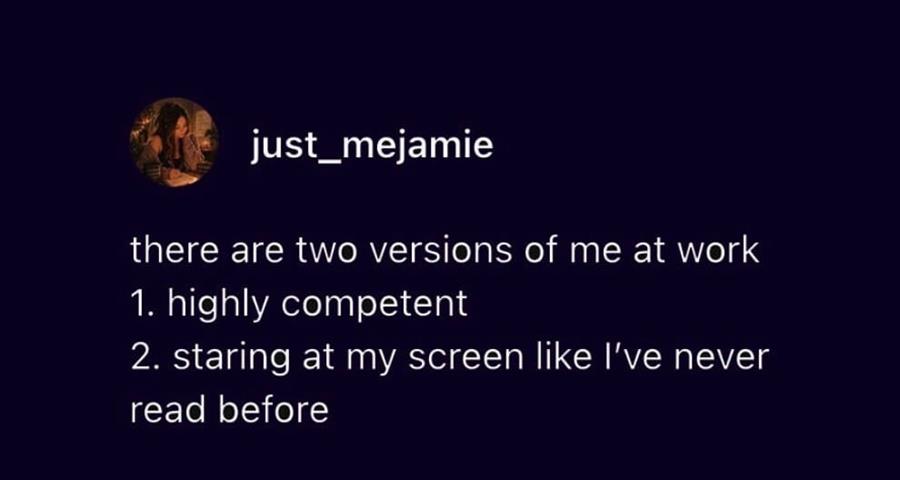
Good morning. What’s the vibe this morning? Are you a 1 or a 2 (or a mix is a valid answer). Hit reply and let us know.
Here’s what you don’t want to miss:
🤝 Shopify welcomes the AI shopper Amazon blocked
One day after Amazon blocked Meta’s Muse from shopping on its marketplace, Shopify is taking the opposite approach.
Shopify has partnered with Meta to let Muse complete purchases from Shopify merchants using Shop Pay. Shopify’s stock surged more than 7% following the announcement.
The news comes as Meta patches a security flaw in Muse’s app. The vulnerability required malicious software to already be on the device, but it highlights the security questions surrounding agents with access to shopping and payment services.

👀 ChatGPT Ads has arrived. Get the early mover advantage
ChatGPT Ads is here, and shoppers are already using it to decide what to buy. Early movers have the advantage, but before throwing more budget at another channel, you need to know how it’s driving revenue, and how to optimize it.
Join Triple Whale, a ChatGPT Ads measurement partner, on September 30 from 1:00 to 2:00 PM EDT for the webinar: ChatGPT Ads Are Here: Build an Early Advantage with Trusted Measurement.
Discover:
Get attribution sorted and strategy optimized before the budget goes up.
* sponsored
🍪 Last Crumb raised its price and demand took off
In this episode of the DTC Podcast, Eric talks with Last Crumb founder Derek Jaeger about how the brand built a premium cookie box by borrowing from fashion drops, Michelin-star restaurants, and scarcity-led launches.
Last Crumb raised its signature box from $110 to $140, and Derek says the higher price helped the brand take off. The company had spent a year refining the recipes, photography, packaging, and overall experience before launch, then built early demand through small drops, word of mouth, and social sharing.
The episode also covers the move to evergreen ecommerce, its Brooklyn store, and a smaller format being developed for TikTok Shop. Listen to the full episode here.
🎨 Turn one winning ad into six AI animation tests
@LordofAds recommends taking your best-performing ad from the past 30 days and using ChatGPT to recreate it in six different animation formats.
The original message stays grounded in a proven winner while ChatGPT switches up the styles to include Pixar-inspired animation, anime, paper cut-outs, whiteboard or stick figures, skeletons, and 16-bit art.
Load all six versions into one Ad Set Budget Optimization campaign and spend $100 to $300 daily for three to four days. Once a format wins, test six new hooks using that version, then build a corresponding landing page with the character above the fold.
⭐ Strengthen your Store Ratings before BFCM
Google has clarified the requirements merchants must meet before Store Ratings can appear across eligible ads and unpaid shopping formats.
Merchants generally need 100 eligible post-purchase reviews and an average rating of at least 3.5 stars. Reviews count within a rolling 24-month period, and eligibility is calculated separately by country.
Strong ratings can help shoppers choose between unfamiliar stores when search results become crowded with similar holiday offers.
Audit your review count and rating by market now. If a priority country falls below the threshold, strengthen your post-purchase review flow before BFCM traffic increases.
🧵 Threads ads no longer require Instagram
Meta is allowing businesses to run ads from a native Threads profile, even if they do not have an Instagram account.
Advertisers will also no longer need matching usernames across Threads and Instagram. The update is rolling out gradually and gives brands more freedom to build a separate identity and campaign strategy for the platform.
📊 Audit your Q4 offer and plan against 700 shoppers
Beyond the Discount compares how 575+ DTC operators are approaching Q4 with what 700+ shoppers say earns their purchase.
Brands and shoppers have different numbers in mind. Shoppers most commonly say it takes 20 to 25% off to try an unfamiliar brand. The most common acquisition discount from brands is 11 to 20%.
The report follows that initial offer into retention. Across 10,000+ active loyalty programs, Smile.io found that customers who redeem rewards have 3.1x the value and purchase 154% more frequently than those who never redeem.
Before you finalize your Q4 offers, check your discount depth, incentives, and retention plan against the findings. Download the free report.
* sponsored
📸 4 Scrappy Lo-Fi Ad Styles to Test This BFCM
Need more BFCM creative without another expensive shoot?
These four scrappy formats use camera-roll photos and simple product shots to create Q4 and BFCM ads across gifting, promotional, and product-led angles, with no studio production required.
Each requires minimal design work, making it easier to produce fresh variations as offers, inventory, and customer priorities change throughout Q4.
Product Highlight
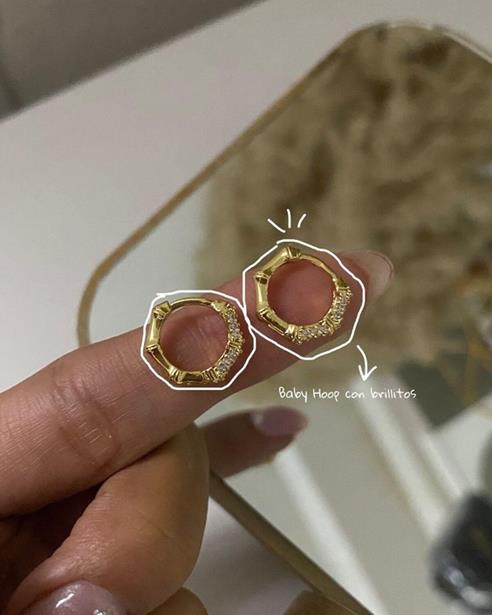
Start with a clear product photo from your camera roll, then use your phone’s markup tool to circle the product and add a short label or selling point. It doesn’t have to look perfect. That lo-fi treatment can help the ad feel more like a product recommendation or camera-roll discovery.
In this example, the blurred background keeps attention on the earrings and makes the annotation easier to notice.
How to make it work: Use one image to test several Q4 messages across gifting, urgency, and product-led angles. Keep the image consistent while testing copy around self-gifting, gifts under a specific price, bestsellers, shipping deadlines, or limited availability.
For jewelry, fashion, and other catalog-heavy categories, repeat the format across products and label the details customers need before purchasing, such as the name, price point, or key feature. Labels like “tarnish-proof,” “real gold,” “staple piece,” and “bestseller” can help new customers understand and compare the assortment quickly. The consistent product image can also serve as a control, making it easier to see how each message affects performance.
Features and Benefits List
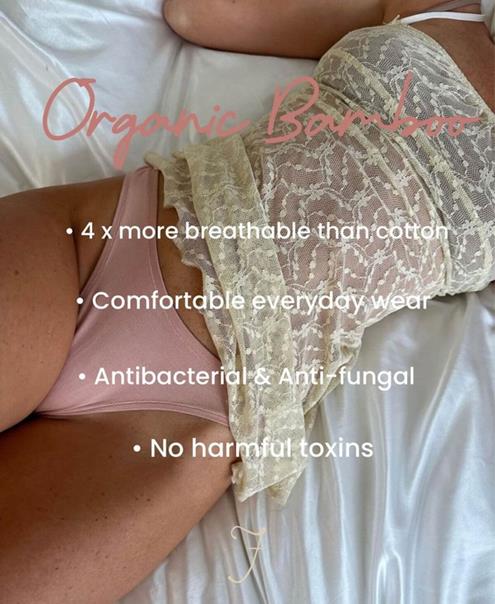
Pair benefit-focused copy with an iPhone photo that shows the product in use, giving each claim visible context.
How to make it work: Match every benefit to something customers can actually see. If the copy promises warmth, portability, convenience, or gift-ready packaging, the image should provide visible evidence of that benefit.
Frame the shot around one or two listed benefits that are immediately visible, then review the finished ad to make sure the image supports the copy without asking the customer to make the connection themselves.
Venn Diagram
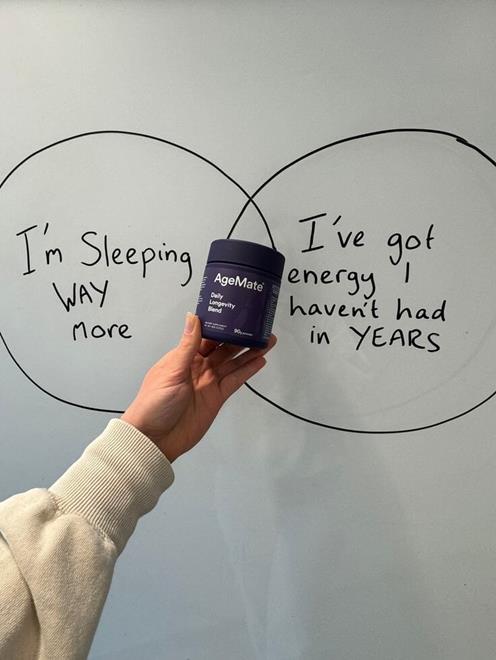
Use a product, a hand model, and a simple hand-drawn diagram to connect a functional product benefit with the outcome the customer wants.
How to make it work: Pair a specific product feature with a Q4 purchase motivation. In this example, AgeMate connects better sleep with the broader benefit of feeling better.
For Q4, test combinations like “easy to wrap” + “ready to gift,” “ships quickly” + “arrives before the holidays,” or a product feature paired with the recipient it suits.
iPhone Shot with Razzle-Dazzle

Use a simple camera-roll image to announce a holiday drop, restock, bundle, or limited-edition product. The casual setting and playful graphics should reflect where the product is used and the visual style of the intended customer.
In this example, the swirling star graphic matches the cups’ design, while the color palette reflects the target customer’s playful style.
How to make it work: Use decorative elements to direct attention. Add stars, arrows, gift tags, or hand-drawn shapes over distracting areas, then use those same elements to frame the product, offer, or shipping deadline.
👉 Your turn: what brand is crushing creative right now? Reply to this email and we’ll add them to our Creative Corner watchlist. ‼️ 👀
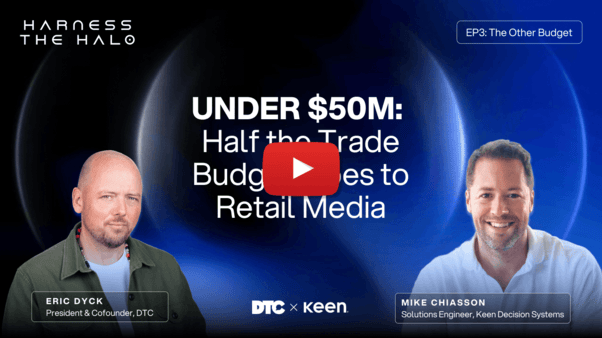
🎧 Under $50M: Half the Trade Budget Goes to Retail Media
This is episode three of Harness the Halo, our new six-part series on marketing measurement.
Retail media has grown far beyond Amazon search.
Mike Chiasson, Solution Engineer at Keen, explains why networks from Walmart, Target, Kroger, and smaller retailers are becoming a bigger part of the marketing mix.
Keen’s analysis suggests brands across its client base could increase retail media investment by roughly 30%, with especially interesting opportunities emerging higher in the funnel.
Mike explains why smaller brands often gravitate toward bottom-of-funnel search, even when upper-funnel placements could have a larger long-term impact on awareness and growth.
He also breaks down one of the biggest measurement mistakes brands make: looking at historical ROAS without asking what the next dollar will return.
Plus, hear why retail media diversification matters, where streaming video and social fit into the mix, and how brands can measure the halo beyond an immediate sale.
▶️ Watch here | 🎧 Listen on Spotify
🔔 BFCM is your busiest sales window. Lock in. Wati automates reminders, support, and order updates on WhatsApp so you can focus on achieving your biggest BFCM ever. Start your free trial. *
🧑💻 Your finance team could use some help from Claude. Join a live demo on how Claude can help with creating briefs, connecting data, self-logging cleanup, and work in Excel. Save your seat and get a recording. *
* sponsored
Did you find this valuable? Support us by checking out our businesses:
Please note that items in this newsletter marked with * contain sponsored content.
.svg)


.svg)


.svg)


.svg)
.svg)
.svg)