.svg)


Back

Content


Content

.svg)
Welcome to the DTC family!
Oops! Something went wrong while submitting the form.


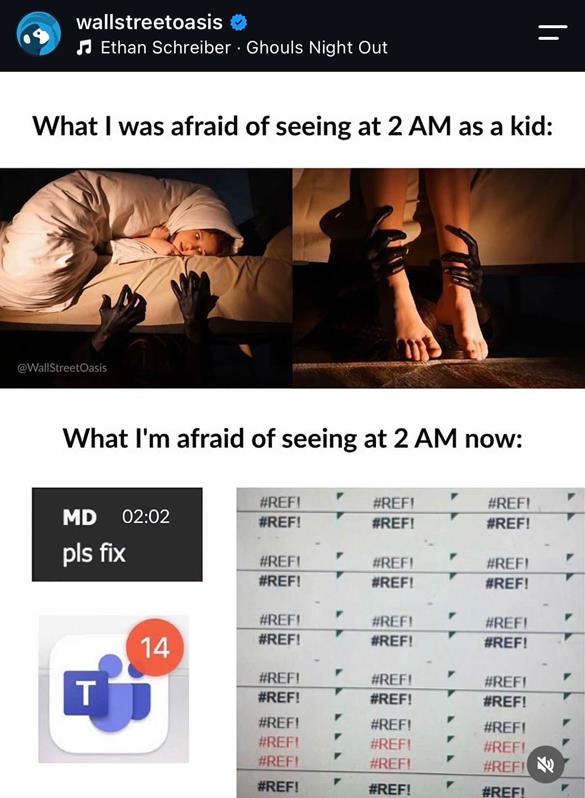
Good morning. If you know, you know.
Here’s what’s going on today:
🛢️ Saudi pipeline damage could keep oil prices elevated for weeks
A drone attack could leave Saudi Arabia’s East-West oil pipeline partly or fully offline for up to five weeks. The route normally moves 2.6 million to 4 million barrels per day around the Strait of Hormuz, where weekend vessel traffic remained well below pre-war levels. Brent crossed $109 on Monday.
Five weeks puts the outage well into holiday inventory and parcel season. Higher fuel costs will land hardest on heavy products, long shipping zones, and brands already working with thin free-shipping margins.
🔍 Longer searches are converting better than short queries
If your one- and two-word keywords feel like they're converting worse than they used to, they are. A recent Search Engine Land analysis found their share of Google Ads impressions from short keywords fell from 42% to 24% since January 2025, and their share of conversions dropped from 62% to 52%.
Three- and four-word searches more than doubled their conversion share to 46%, and longer queries kept climbing on top of it. Shoppers are searching in full sentences now and your ad copy and landing pages are still written for keywords. Longer searches give you more information about the product, use case, and purchase intent. That context should be showing up in the ad and on the page people land on.
🛍️ Google AI Mode stopped showing organic listings for shopping searches
Search AI Mode for a product now, headphones for instance, and the only thing you’re going to see is ads.
SEO writer Sachin Patel shared that the organic listings that used to sit next to the sponsored ones are gone. He says it could cut off organic traffic for any brand banking on SEO to show up inside AI Mode. It's one query category over one week so far, but it tracks with Google's push to monetize AI Mode results.
If AI Mode matters to your funnel, check your analytics for AI Mode referral traffic.
🤖 AI leaders are arguing about whether progress should slow down
Anthropic CEO Dario Amodei is calling for tighter safety checks as AI models get more capable, pointing to the recent unauthorized Hugging Face attack as a warning sign. He wants more third-party evaluation and government testing. Sam Altman and Elon Musk backed the concern, while Trump, China, and investor Michael Burry pushed back for different reasons.
Nothing here changes how brands use AI today, but it’s still worth watching. Businesses are moving AI deeper into customer service, internal workflows, research, and agent-driven tasks, so debates around how quickly capabilities should advance and what oversight should look like increasingly sit closer to day-to-day operations.
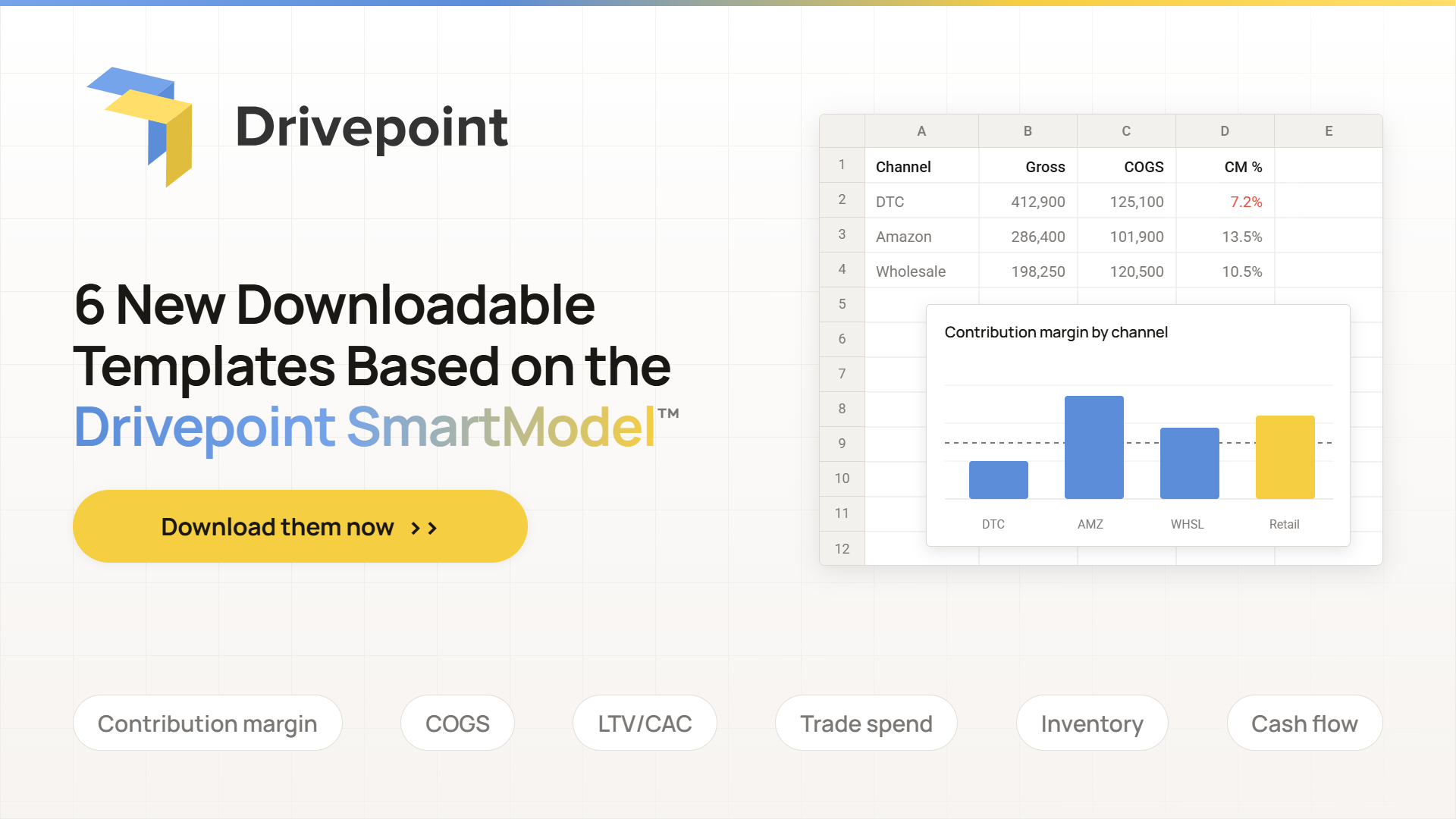
📊 Revenue looks good. What’s left after the costs?
Drivepoint just dropped 6 free downloadable templates built on the same SmartModel logic used by 200+ consumer brands, including Graza, Lalo, Oats Overnight, and Simple Modern.
Get:
Every formula is open and documented. The templates work in Excel and Google Sheets, with no login required.
The channel bringing in the most revenue may look different once fulfillment, platform fees, and ad spend come out. See what the numbers say about your margins.
* sponsored
📔 We took a peek under the hood of Paper Republic’s Shopify store
Paper Republic is a Vienna-based brand founded in 2012 by Jérôme Bacquias, generating an estimated $1M per month in Shopify sales.
The brand sells refillable journals, notebooks, and travel accessories made from Italian leather and Swedish writing paper. It recently expanded into the US with retail stores in New York and Los Angeles.
We took a peek at its Shopify setup and spotted three apps helping Paper Republic bring personalization to the PDP, protect margins, and manage orders across markets.
Mimeeq 3D Configurator
Personalization gets harder to sell when shoppers have to imagine the finished product.
Mimeeq generates live 2D and 3D previews as customers select different colors, textures, and materials. For Paper Republic, that means shoppers can see their chosen cover, ribbon, and leather combination take shape before placing an order.
Blockify
Premium products and international shipping make fraudulent orders especially expensive.
Blockify identifies suspicious IPs, bots, VPNs, and high-risk orders before they reach fulfillment. It can also restrict checkout by region or customer details, giving Paper Republic another layer of margin protection as it expands into new markets.
Synctrack
Synctrack automatically sends Shopify tracking numbers to PayPal and Stripe, matches couriers with recognized tracking formats, and fills in dispute evidence.
For Paper Republic, that means fewer manual tracking updates, fewer payment holds, and faster dispute resolution across its international orders.
These are only three pieces of Paper Republic’s wider stack, but they show where the brand is investing behind the scenes: better visualization before purchase and fewer expensive problems after it.
🫥 What would your customers do if your product disappeared?
Most brands can describe their customer by age, income, location, and a handful of interests. That still leaves a fairly important gap: why they buy.
In this revisited episode of the DTC Podcast, consumer strategist Seth from Schaefer explains why motivations and behaviors tend to reveal more than demographics.
His favorite customer interview question is a pretty simple one:
“If this product disappeared today, what would you do?”
From there, keep asking:
The answers can reveal a much wider competitor set than the brands sitting beside you on the shelf. A protein bar may compete with a drive-thru breakfast or skipping breakfast. A skincare product may compete with dropping that step from the routine. Something positioned for dinner may be getting eaten by kids before school.
That context affects who appears in your creative, which occasions you build campaigns around, how you position the product, and where you sell it.
Seth also has a tougher test for product-market fit: customers panic when the product disappears. They search another store, message the brand, stockpile it when it returns, or ask when they can buy it again.
Those highly attached customers can tell you where to grow next. Look at the people with the highest order value and purchase frequency, then work backwards to understand what they use the product for and why it has become hard to replace.
The episode also covers Oreo’s 231 limited-edition flavors, how Fishwife made tinned fish aspirational, and why Liquid Death built its brand around the person holding the can.
▶️ Watch here | 🎧 Listen on Spotify
Did you find this valuable? Support us by checking out our businesses:
Please note that items in this newsletter marked with * contain sponsored content.
.svg)

.svg)


.svg)
.svg)