Good morning.
Here’s what we’ve got for you today:
Let’s go. 👇
📊 Meta is changing how it counts conversions (yes, right before BFCM)
Starting November 12, Meta is rolling out a Pixel feature meant to recover conversions that go missing from campaign reports. According to @yiqiw_, it measures some conversions on the customer’s device and should switch on automatically for eligible datasets. You can opt out in Events Manager.
Pilothouse’s take: leave it on, and use the first 7, 14, and 28 days to see what shifts. To get ready:
Keep your Conversions API on too. And if Meta suddenly reports more conversions but your store orders haven’t budged, dig in before you celebrate.
👻 Shopify will now tell you how much of your traffic is bots
Spooky timing. Shopify added a human-or-bot filter and reporting dimension to Analytics, so you can look at human traffic on its own, see which referral sources are sending bots, and calculate conversion rate without crawlers padding the denominator.
Shopify says it’s being deliberately conservative, so some bots will still slip through as people.
Before you move budget, run your channel report with human traffic only and compare it with the unfiltered version. If one channel suddenly looks way better, the campaign might not have improved. The ghosts just left the dashboard.
🤖 You can now edit what AI shopping agents know about your store
Shopify moved its AI shopping knowledge base into the admin. That’s where you review, edit, and publish the info agents get about your store, things like contact details and gift services. Shopify drafts it from your storefront, but nothing new goes to agents until you approve it.
One deadline to know: the standalone Knowledge Base app goes away January 15, 2027. Stores with fewer than 1,000 facts were moved over automatically. If you have more than that, you’ll need to pick what to keep before then.
Go to Sales channels > Agentic > Knowledge base and read it like a shopper would. Shipping, returns, compatibility, and holiday cutoffs are the ones to get right.
⭐ Your Google Search ads might start quoting your reviews
Google is adding AI-written review summaries to eligible Search ads. It pulls positive feedback from reviews across the web and condenses it into a short blurb.
You can’t edit what it says, though. It’s live in English in the US, UK, Australia, and India for now, and sensitive categories are left out.
🛢️ Oil prices just became another BFCM variable
President Trump says he’ll decide soon whether to pursue a deal with Iran or resume military action. Meanwhile, attacks on tankers near the Strait of Hormuz are keeping oil supply concerns front and center. Brent crude was around $116 a barrel on Tuesday, and October has seen a record number of attacks on commercial ships in and around the Strait.
If any of your supply chain touches the region, check in with suppliers and freight partners now. Watch fuel surcharges as you lock in holiday budgets, and don’t count on today’s quotes still being good next week.
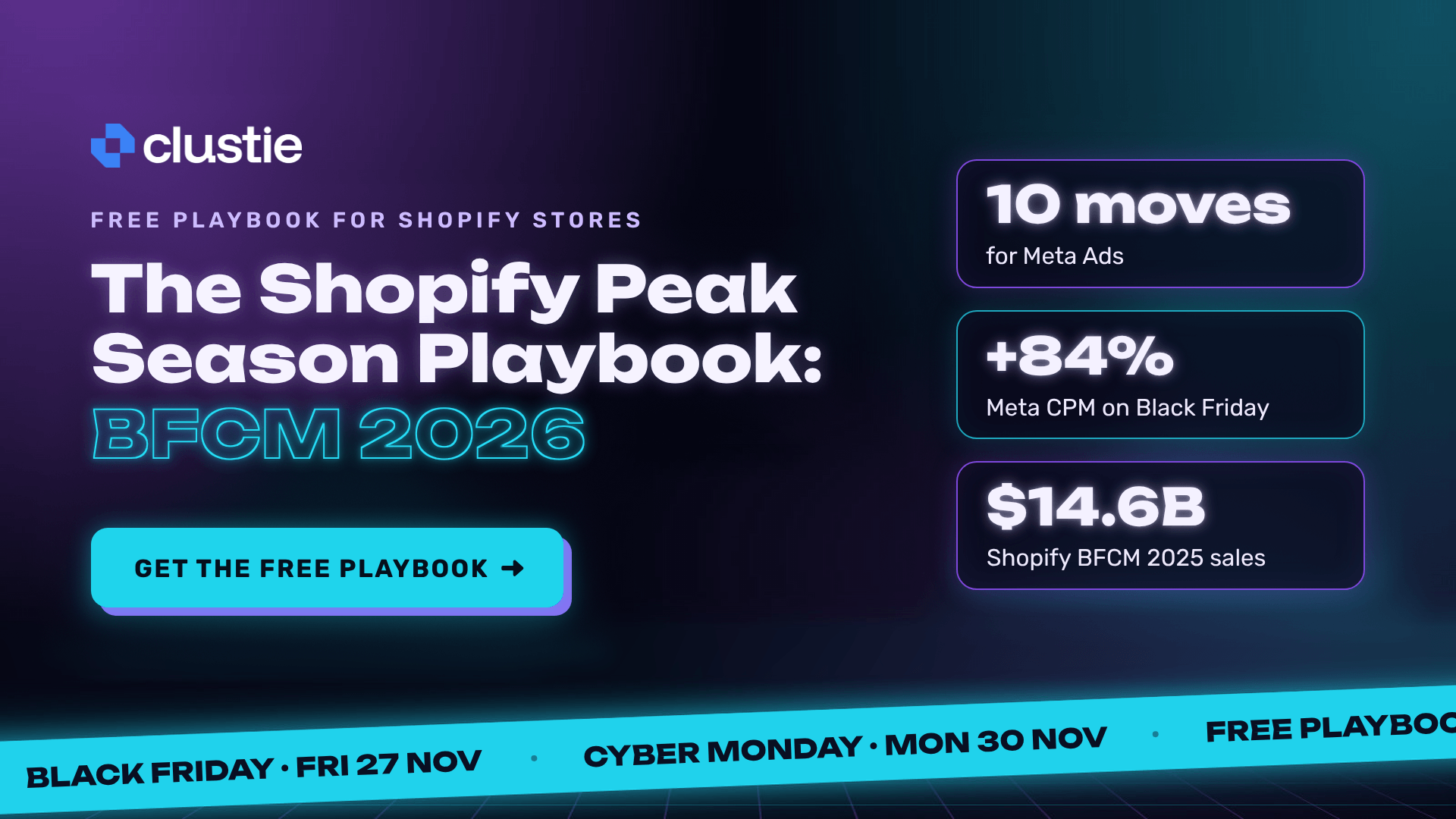
🤯 Black Friday ads cost 84% more. Is your plan ready?
Black Friday is the most expensive day of the year to run Meta ads. According to Lebesgue, CPMs on Black Friday 2025 were 84% higher than in September.
Spending more or discounting deeper won’t protect your ROAS. Preparing earlier will. That means making sure you have:
The Shopify Peak Season Playbook: BFCM 2026 will show you how, with 10 Meta Ads moves dated from now to January, all backed by real data from last season.
Even if your plan feels solid, give the 10 moves a quick look. Easy way to catch anything you missed.
Free, from Clustie.
* sponsored
👍 Four creative formats to test before BFCM
BFCM is about a month away, and your creative needs to help shoppers quickly understand what you sell, who it’s for, and why they should care.
These four formats (spotted by the Pilothouse team 👀) give you ways to refresh existing product shots and customer insights for holiday campaigns.
1. Problem/Solution Graphic
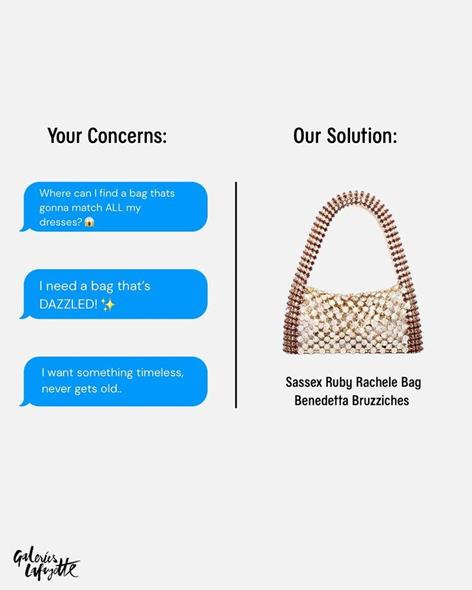
Pair a specific customer concern with the product that addresses it. A “Your Concerns” column beside “Our Solution” makes the connection easy to follow.
Try it for BFCM: Pull a recurring objection from reviews or comments, then show how your product addresses it. If you’re promoting a bundle, explain what each item contributes so shoppers can understand its value.
2. If You’re Doing This / You Need This
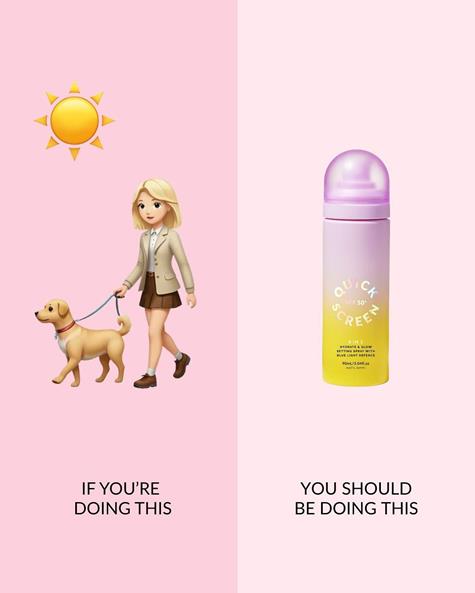
Connect a familiar activity to a relevant product. Quick Flick’s dog-walk and sunscreen pairing shows how the format can make a use case immediately clear.
Try it for BFCM: Build around a holiday situation your audience recognizes, such as packing for a trip or shopping for a runner. Show why the product suits that person or occasion, then add your offer.
3. iPhone Screenshots with Lo-Fi Imagery
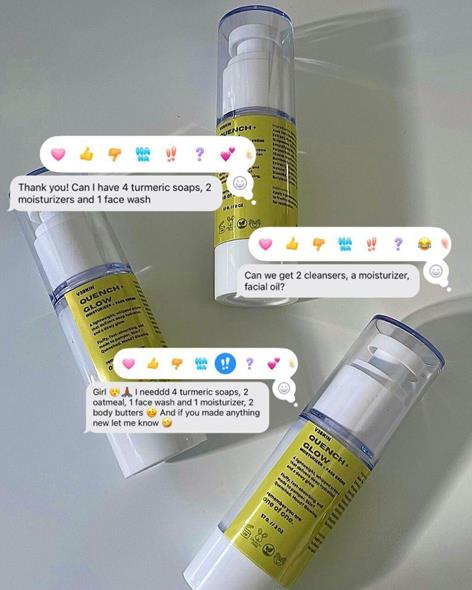
Pair casual product photography with a message that sounds like a real conversation.
Try it for BFCM: Use a genuine customer question about sizing, gifting, or what’s included, then answer it beside the product. Remove identifying details unless you have permission, and clearly label any staged conversation.
Start with imagery that already performs well, then test the new treatment.
4. Emoji Keyboard Takeover
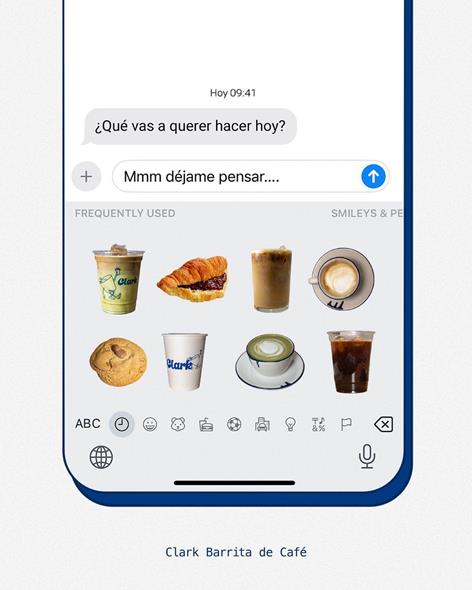
Turn a focused selection of products into an emoji-style keyboard, with a hook that ties them together.
Try it for BFCM: Build a “Who are you shopping for?” graphic or feature a small collection of stocking stuffers. Keep products recognizable and show the offer separately so the graphic stays readable.
Pick one format, build a few variations, and test before peak traffic arrives. Track purchases and acquisition costs alongside clicks to see which versions deserve more budget.
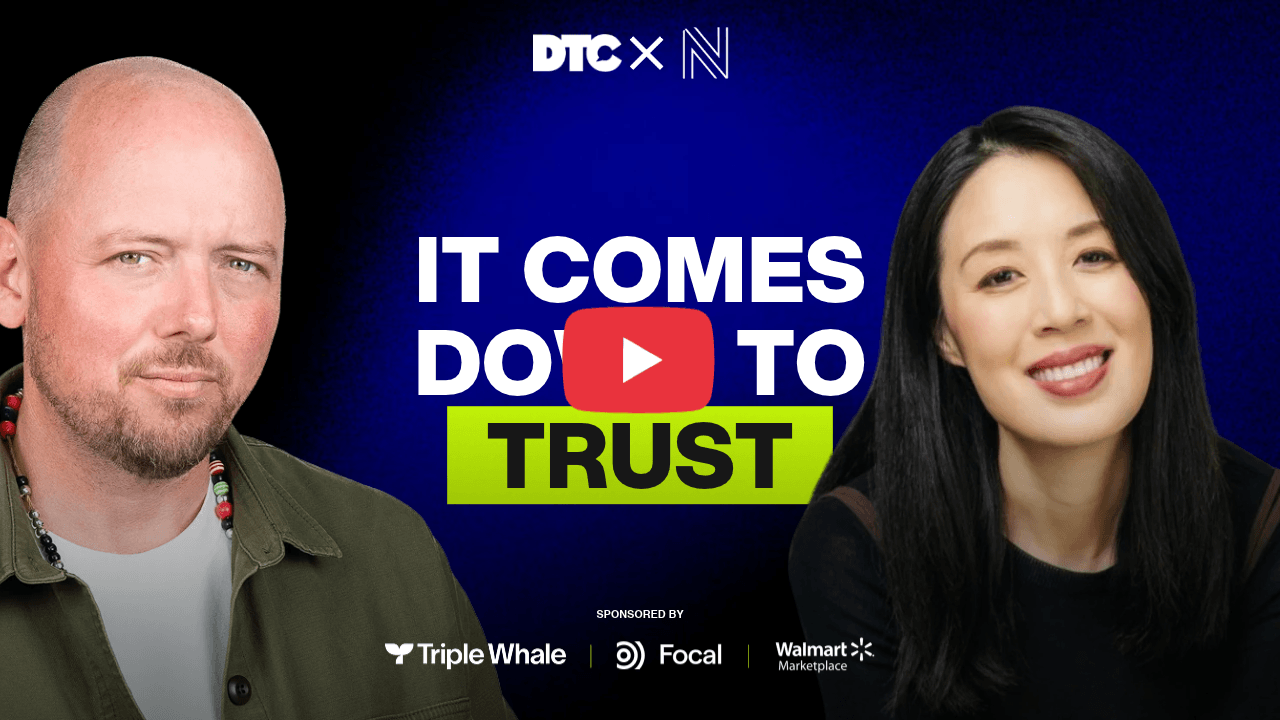
🎧 You don’t have to be first to win
Someone already beat you to the category? That might actually work in your favor.
On the latest DTC Podcast, Lisa Wu, partner at Norwest, explains why she looks for consumer brands that are “first-ish” rather than obsessing over being first.
Being first can be expensive.
Lisa points to the mattress-in-a-box boom. Early brands raised significant venture capital and spent heavily on marketing, which helped teach consumers that buying a mattress online was even an option.
Then the second, third, and fourth brands arrived.
Those companies could benefit from years of category education without having to pay for all of it themselves. Customers already understood the product, reporters were already covering the category, and demand had been established.
So being late doesn’t necessarily mean you missed the opportunity.
Lisa looks for brands that are early to a shift in consumer expectations or behavior, even when plenty of competitors already exist.
The opportunity may be finding the next version of a category customers already understand.
Tune in to the episode to hear more.
▶️ Watch here | 🎧 Listen on Spotify
🛒 Selling on Walmart Marketplace is one of this year's smartest investments. New Seller Savings 2026 is happening now. Sign up to unlock up to $75K in New Seller Savings to build your business on Walmart Marketplace.* Conditions apply.
* sponsored