SPONSORED BY:



Good morning.
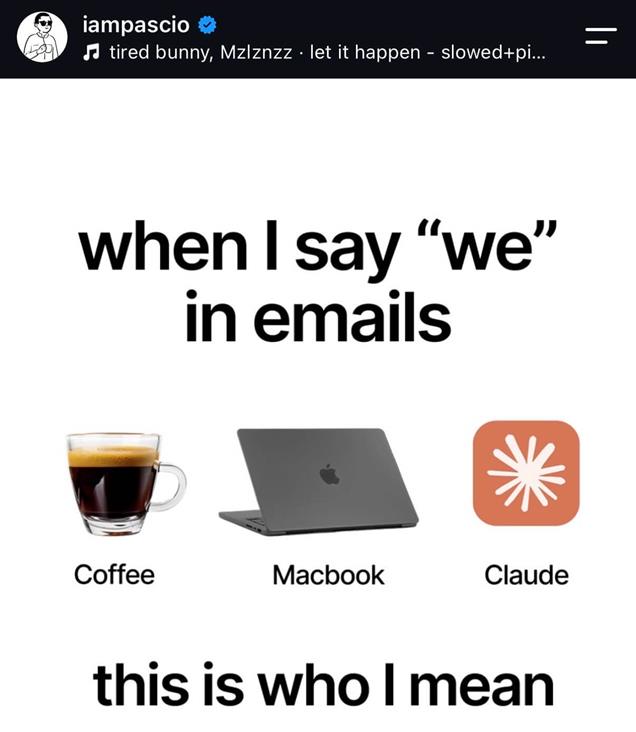
Rest assured, “the team” is on it. 🙂↕️
Here’s what you’ll find in today’s newsletter:
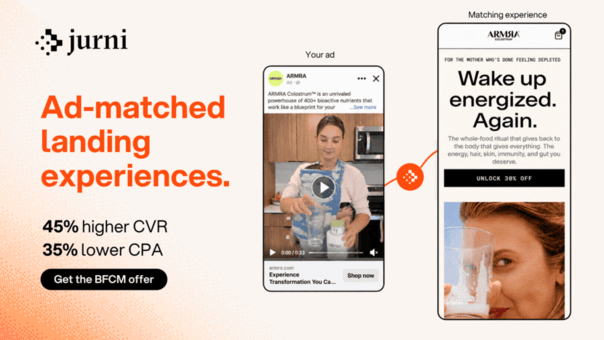
🚀 The AI that turns Meta ads into shopping experiences built to convert.
You test audiences, angles, and creative. Then send every click to the same product page.
What if you matched the destination to the ad?
Meet Jurni, the agentic engine behind ad-matched landing experiences for top brands like AG1, ARMRA, ThirdLove, IL MAKIAGE, Laura Geller.
Jurni scans your ads, recommends what to build, and generates matching listicles, quizzes, persona pages, and creator experiences in minutes.
Launch, test against your PDP, and continuously optimize without waiting on design or dev.
Jurni customers see 45%+ CVR lift, over 40% ROAS lift, and 35% lower CPA versus static product pages.
Before BFCM budgets peak, put those journeys to work. Join and onboard by October 31 to get a discount through December, with time to build and test.
* sponsored
🖼️ Four ways to prep your product renders for Black Friday
You don’t need a new shoot for Black Friday. The product renders already sitting in your asset folder can do a lot of the work with the right headline, some proof, and an offer people can actually see.
Pilothouse pulled four examples worth borrowing before spend ramps.
1️⃣ Pair the product with a benefit list
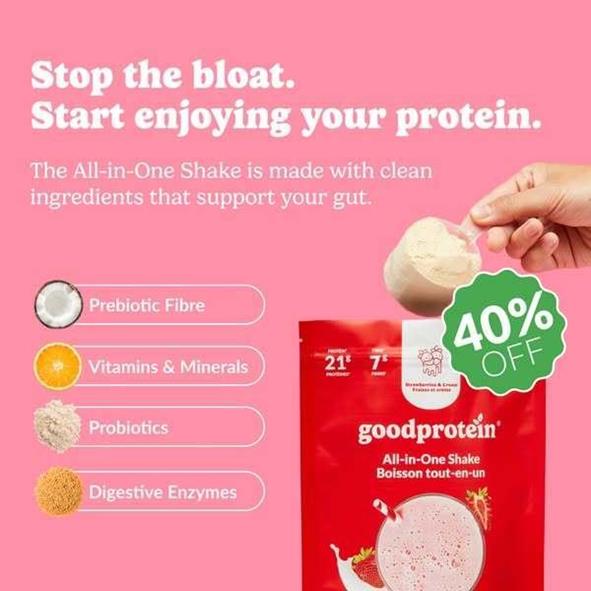
Good Protein leads with the problem (“Stop the bloat”) and backs it up with four ingredient callouts. The green 40% off badge sits right on the pack, so you see the deal before you finish the headline.
For BFCM, pick one value proposition and make every bullet support it. Then build versions for your hero product and your holiday bundles, each with a reason it belongs in the cart.
2️⃣ Answer the worry before it comes up
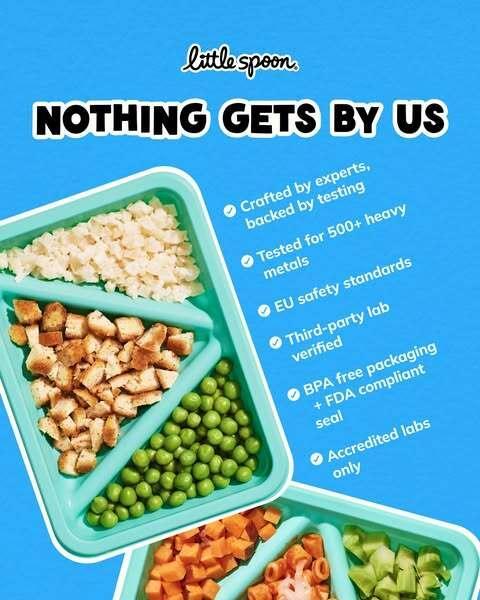
Parents buying baby food want to know it’s safe. Little Spoon answers that with a checklist: tested for 500+ heavy metals, third-party lab verified, BPA-free packaging.
Gift buyers have their own worries. Will it fit? Does it work with what they already have? What’s in the box? Pick one per ad and make sure the copy is still readable on a phone.
3️⃣ Make benefits easy to scan
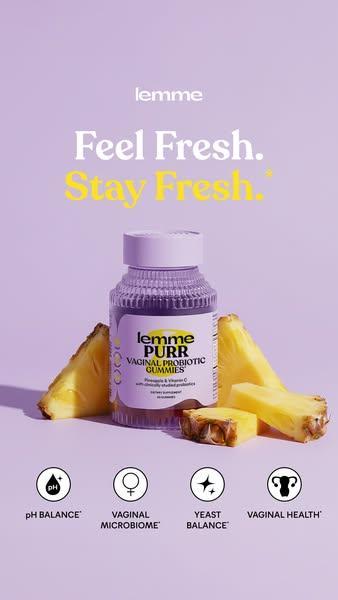
Lemme keeps it to a four-word headline and four labeled icons. You get the gist in about a second.
For holiday, choose icons that tell a gift buyer who the product is for. Label every one, and leave room for an offer badge so the layout doesn’t get crowded once the sale starts.
4️⃣ Lead with the price
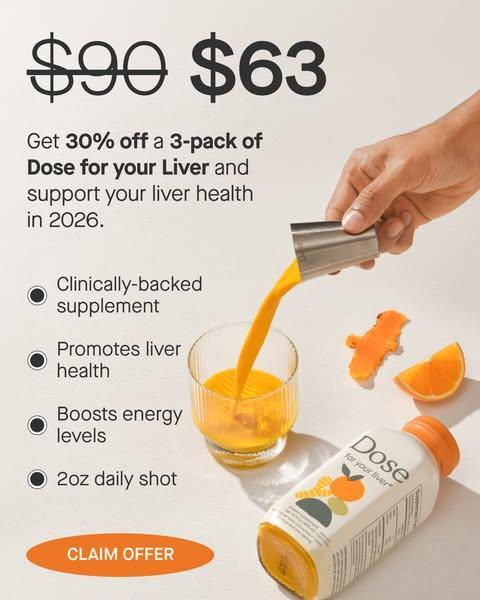
Dose puts the strikethrough front and center: $90 $63. The benefits come second, and the CTA says “Claim offer,” which matches the deal.
Make the promo price, what’s included, and any conditions obvious, and make sure the landing page says the same thing. Pilothouse suggests starting offer-led creative with warm audiences, then testing whether it holds up with new shoppers.
Try this with your own assets
Pull your three best product renders. Make one version of each that’s benefit-led, one that answers a hesitation, and one that leads with the offer. That gives the team nine pieces of creative to test when holiday budgets go up.
🎧 One TikTok can do three jobs
Most brands look at a viral TikTok and immediately ask one question:
How much did it sell?
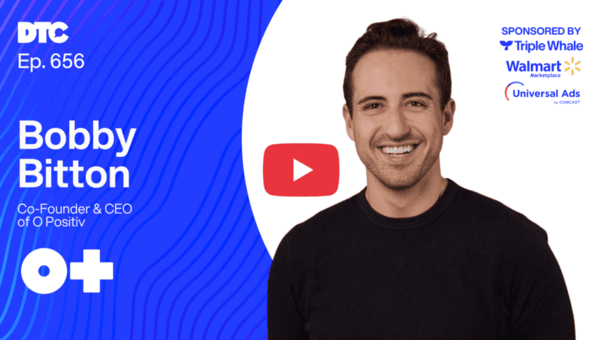
Bobby Bitton, co-founder of O Positiv, looks at it differently.
On the latest DTC Podcast, Bobby explains that a piece of TikTok content can create value for the business in three different ways.
It can 1️⃣ generate impressions, 2️⃣ drive sales, and 3️⃣ attract new affiliates.
When O Positiv content takes off, Bobby says the company sees affiliate interest increase alongside it. Those new affiliates receive products, create more content, and give the brand more chances to reach another audience or generate another breakout video.
Today, Bobby estimates that roughly 1,000 to 1,200 pieces of affiliate content are being posted about O Positiv every week. The company still does outbound affiliate recruitment every day, while viral content helps generate inbound interest.
Learn how O Positiv built and scaled its TikTok Shop affiliate engine.
▶️ Watch here | 🎧 Listen on Spotify
🛒 They used the code. Now what?...
Your BFCM ads did their job. A new customer found you, used their 20% code, and checked out. 🎉
You paid to acquire them and gave up margin on the first order. Now they’re one of the new names on your list.
From here, some will come back. Others will go quiet and eventually unsubscribe.
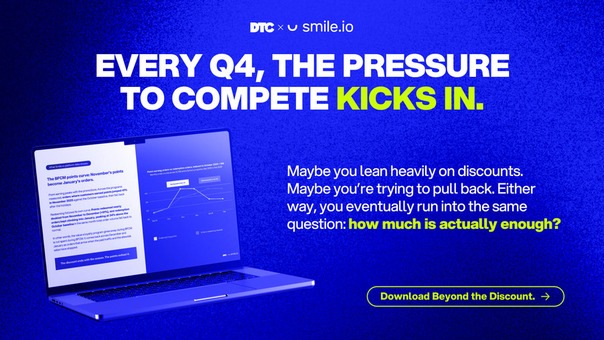
We teamed up with Smile.io and asked 700+ shoppers what brings them back after a discounted first purchase. 36% said they mostly return when another discount shows up.
Beyond the Discount covers what else earns the second order, including Smile.io data comparing BFCM buyers who joined a loyalty program with those who didn’t.
* sponsored
📧 Plan the offers first, polish the emails later
@maxwellcopy ranked his BFCM priorities, and offers come before design. He’d rotate different offers across early access, Black Friday, Cyber Monday, and gifting, update pop-ups for each promo period, refresh core flows, and resend strong emails with new subject lines.
📌 Pinterest’s pre-BFCM checklist
According to Pinterest’s holiday guide, shoppers start saving holiday ideas well before they’re ready to buy. So it’s worth checking your Pinterest tag, product feed, and Pin titles and descriptions now. Then dig through the asset folder. You probably already have photos and videos you can reuse for the holidays.
💬 Salesforce is buying Braze for $5.66 billion
Salesforce has agreed to acquire Braze, adding one of the biggest customer-engagement platforms to its enterprise stack. Braze runs real-time journeys and AI decisioning across email, SMS, apps, WhatsApp, and other channels.
It still needs shareholder and regulatory approval, and Salesforce expects it to close in fiscal 2028. That’s a long runway. If you’re about to sign a multi-year Braze contract, bring it up.
🇬🇧 Quince heads to the UK
Quince has launched in the UK, its first market outside North America.
The company was recently valued at $10.1 billion. It sells across almost 100 categories and says buying direct from manufacturers lets it price up to 70% below comparable premium products.
Sell premium basics in the UK? Order something from Quince and compare the price, delivery, and returns with yours.
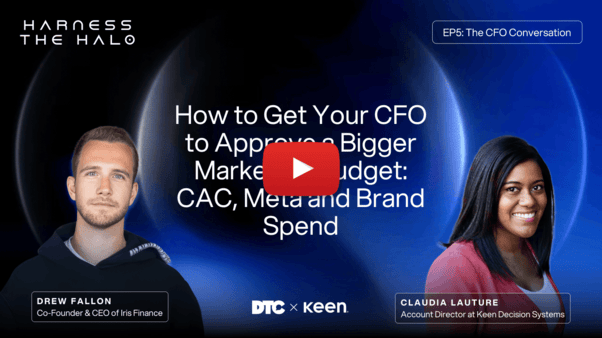
💸 How do you get finance to approve the bigger bet?
This is episode five of Harness the Halo, our new six-part series on marketing measurement.
Marketing and finance can look at the same investment and see two very different things.
Drew Fallon, former CFO of Mad Rabbit and now CEO of Iris Finance, shares the finance perspective: marketing still has to work within the economics of the broader business. CAC, contribution margin, cash requirements, and profitability determine how much room a team actually has to make longer-term bets.
Claudia Lauture, VP of Client Services at Keen, explains how marketers can make those bets easier for finance to evaluate by showing what happens if they invest, what happens if they cut, and how each decision could affect the business over the next two or three years.
They also dig into the long-term cost of cutting upper-funnel spend to hit short-term targets, scenario planning, and why marketing and finance need a shared framework for deciding where the next dollar goes.
▶️ Watch here | 🎧 Listen on Spotify