Good morning,
Welcome to our annual Double Down issue! 🎉
Every year, we ask ecommerce operators and our sister company, Pilothouse, two simple questions:
1️⃣ What worked in 2025 that you’re doubling down on for 2026?
2️⃣ What’s your biggest Double Don’t (the thing you won’t repeat) this year?
The goal: give you a behind-the-scenes look at what actually moved revenue in 2025 and the strategic bets operators are making for 2026.
Let’s get into it. 👇
Here’s what you’ll find in today’s DTC:
You’re reading this newsletter along with new subscribers from: RP Parfums, Just Play Products, and Marion Ceramics. 👋
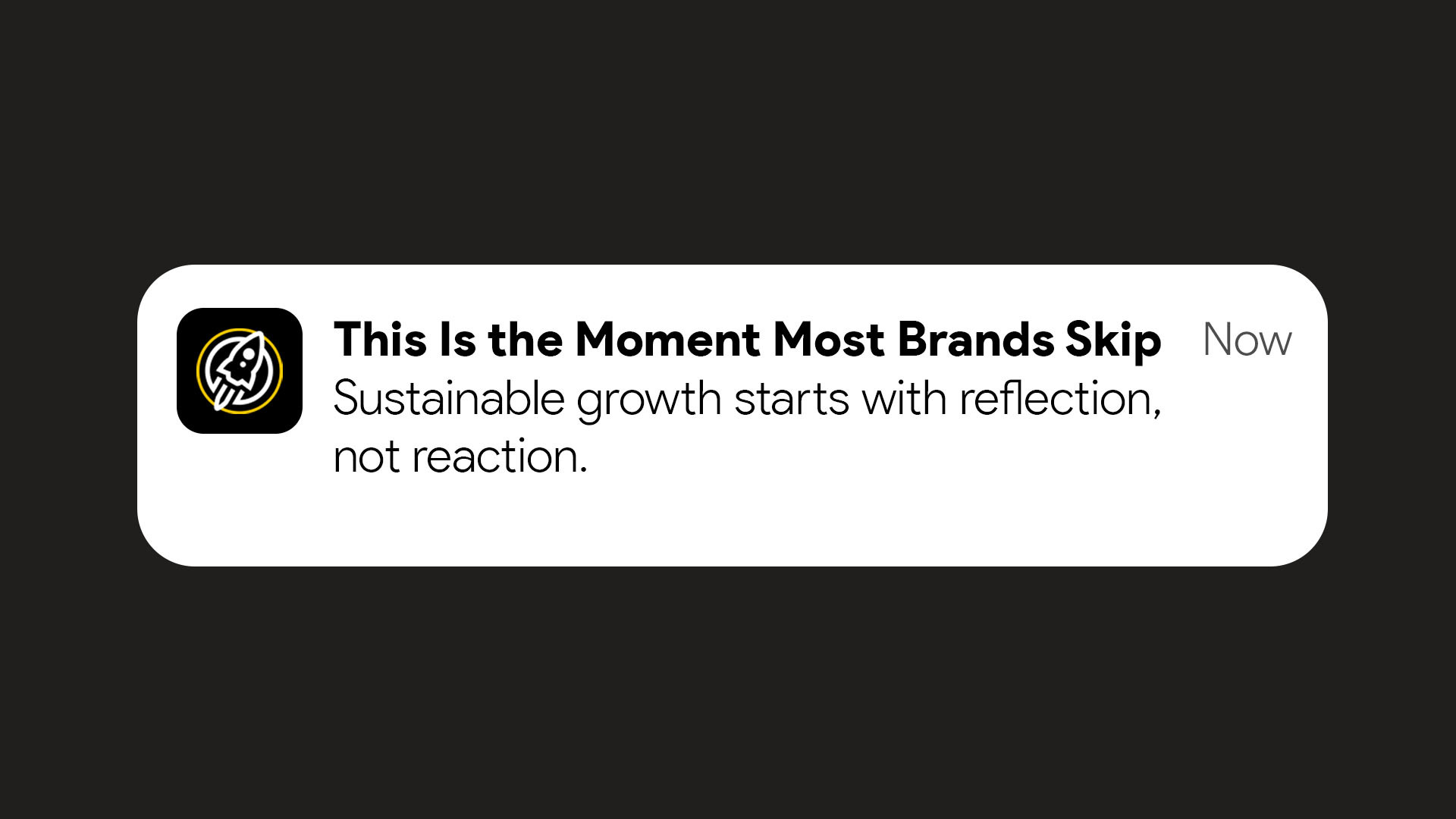
👉 This Is the Moment Most Brands Skip
Q4 is a sprint.
Deadlines stack. Decisions speed up. You move fast because you have to.
Now it’s over. Before Q1 pulls you right back in, this is the moment most brands skip. Reflection.
What actually worked?
What only looked like it did?
What was held together by reactivity instead of steady systems?
The brands that grow sustainably don’t rush into optimization. They slow down just enough to extract the lessons that matter.
Pilothouse helps brands build systems that scale with clarity and intent. Clear priorities. Stronger creative systems. A growth plan built for the year ahead, not just the next week.
Before you sprint again, make the pause count.
💰 Advice from Three Ships, Highland, Miracare, and More
Sam Rayner, founder of Maris Dae
✅ Talking directly to core customers
In 2025, I essentially closed and pivoted Better Basics into a new sea algae-powered line called Maris Dae, so I'm now back in the startup phase of the business!
I discovered deep 1:1 conversations with customers revealed pain points, opportunities, and product refinements we wouldn’t have uncovered otherwise.
Those early adopters became brand advocates: preordering, testing iterations, and spreading the word.
2026 will be all about community building and co-creating the brand with them.
❌ Staying behind the desk
Lean, committed teams need to be out in the real world, meeting customers, distributors, and partners.
More face time, fewer assumptions!
Katherine Sakovich, CMO at Mira Care
✅ Scaling influencers (twice!)
Switching from code-based ROI to post-purchase survey signals opened the door to more unconventional collaborations (like comedians and jingle creators) that went viral and outperformed traditional product reviews.
❌ Jumping into new channels without an incrementality framework
In the past, we would dive right into doing direct mail, podcasts, and YouTube videos without an incrementality framework.
In 2026, having in-house measurement and consolidated channel experimentation data is non-negotiable.
Jordan Narducci, founder and CEO of DTCPG
✅ Subscriptions
Driving and retaining subscribers was a major win across clients, and demand is only growing.
❌ Focusing too much on acquisition
While acquisition is important, I ignored the downstream impact on retention. Retention starts before acquisition.
Big upfront incentives create churn. Brands must rethink the entire journey to succeed in 2026.
Connie Lo, co-founder of Three Ships
✅ Financial discipline
We tripled our EBITDA target and surpassed revenue goals by growing without incremental spend.
Next year, we’re doubling down on ROI-driven decisions and smart, strategic risks that sustain growth.
❌ Saying yes too often
Saying yes to events, samples, partnerships, and retailer requests can lead to burnout and misalignment.
In 2026, we’re committed to “fewer and better.”
Fewer distractions and more time spent on what truly propels the brand forward.
Ben Medalie, co-founder of Highland
✅ Using payback period as the guiding metric
It forces alignment between finance and marketing by unifying CAC, AOV, CM, frequency, and more into one clear ROI lens.
❌ Running the same playbook
The ads landscape shifts too fast for safe bets.
Big swings and brave experimentation (backed by the right partners) will separate winners in 2026.
What worked for you in 2025? What are you doubling down on next year?

💡 Importance of Creative Diversity and Setting Trends
Dougie, Pilothouse's Head of Google
✅ Investing in YouTube and Demand Gen
More specifically YouTube Select, YouTube Shorts, and Content-based (as opposed to audience-based) targeting.
These formats consistently delivered stronger resonance and more predictable performance than audience-only targeting.
❌ Low-cost awareness campaigns optimized for tCPM (target cost per thousand impressions) or tCPV (target cost per view)
Even when the audience looks high-quality, the cheap inventory they rely on is usually low-quality content which drags down impact and brand perception.
Jacob, Pilothouse's Head of Meta
✅ Creative diversification aligned to target personas
Because of Meta’s Andromeda update, we've been shifting to a more creative-first formula aligned to target personas.
We are focusing on a brand’s unique selling proposition and value through bottom-up advertising while aligning to the correct type of people we want to target.
Variety is king now. It's just important that we are getting unique ads aligned to the true values of the personas we're trying to bring in.
❌ Only making small creative tweaks
Traditional ad methods of going wide with a variety of small iterations, campaigns, and targeting to see what sticks, before doing the deep-level work on our personas, no longer work.
Small iterations have become less effective (e.g. testing 8 ads that are the same with just different colored text overlays) and again, true variety is important here.
Aves, Pilothouse's Lead Content Manager and Host of Ad-venturous
✅ Starting trends instead of joining them
With the rise of generative AI and shifts in delivery patterns across most major platforms, the key to success for 2025 was breaking out of a trend-chasing era and starting to create unique moments for brands through content.
Truly disruptive content, that looked and felt different, drove the most engagement.
Adding a bit of whimsy in our creatives + a sound strategy + deep understanding of our target segmentation = big wins.
❌ Ignoring offer positioning
Not looking deeper into COGS, consumer sentiment, and general market saturation when putting together a promo calendar for the year.
It's important to explore all options for offers from an efficiency perspective, but then layer in some workshopping around positioning and messaging to really set you up for success.
Tyler, Pilothouse's Head of Amazon
✅ Taking advantage of these features and benefits
Using social channels to boost visibility: Amazon's algorithm seems to be giving organic ranking boosts to products that are driving external traffic.
Doubling down on channels like Meta and TikTok can go a long way toward increasing visibility in Amazon.
Subscribe and Save coupons with aggressive discounts for consumables, focused on locking in customer LTV.
Utilizing more campaigns with 1-3 broad match keywords, using "+" modifiers for smaller brands, niche products, or brands with limited budgets.
Search query performance (SQP) report data. This isn't new to 2025, but if you're not using it, you're missing out on extremely useful data. Since it's data from Amazon, it's much more reliable than data from 3rd-party tools.
❌ Don't stock out!
Maintaining your organic and sponsored rank is harder than ever. Prevent out-of-stocks by investing in inventory going into deal weeks, especially Q4 or when you start to see ranking improvements for targeted keywords.
You've invested budget into increasing your rank, don't lose that progress by stocking out!
❌ Don't only focus on top-line revenue!
Amazon fees are increasing, ad costs are going up, and tariffs are making products more expensive. Make sure you keep a close eye on more than just your top-line revenue and focus on your bottom line and contribution margin as well.
What are you doubling down on in 2026? Reply back to our newsletter and let us know!
👀 Are you keeping an eye on your competitors? Henri AI catches when they start a sale and shows exactly how those moves impact your performance. Starts at $79/mo. *
* sponsored
📥 Got a B2B Biz?
Join dozens of B2B companies finding demand-gen success through our niche community of 150k brand leaders and founders this year. Talk to our team to learn more.
DTC Newsletter is written by Rebecca Knight and Frances Du. Edited by Eric Dyck.
Please note that items in this newsletter marked with * contain sponsored content.
.svg)


.svg)


.svg)


.svg)
.svg)
.svg)