.svg)


Back

Content


Content

.svg)
Welcome to the DTC family!
Oops! Something went wrong while submitting the form.

SPONSORED BY:


Good morning,
Here’s what you’ll find in today’s DTC:
You’re reading this newsletter along with new subscribers from: Biosota, So Cute Baby & Co., and Korda Tackle. 👋

🛍️ Selling on Walmart Marketplace Is One of the Smartest Investments
👀 For ecommerce brands looking to diversify their sales and expand their footprint, there’s no better time to join Walmart Marketplace. 🛒
💸 Right now, Walmart’s New-Seller Savings event is offering new sellers up to $75K in incentives, which includes up to 75% off base referral fees and generous credits toward advertising and fulfillment.*
Walmart is one of the world's most recognizable brands with over 255 million customers and members shopping at Walmart online and in-store around the world each week.
🤑 New-Seller Savings run from sign up to January 31, 2026, so don’t wait—the faster you start, the more opportunity you’ll have to save.
👉 Take advantage of this unprecedented offer and the endless opportunities on Walmart.com.
*Conditions apply.
* sponsored

🎨 Playful, Unpolished, Organized Chaos
Design isn’t just an aesthetic choice. It can also give your brand a competitive edge.
The Pilothouse design team shares how these creative trends are gaining momentum as we head into 2026 and how they can help your campaigns cut through the noise and get customers to stop scrolling.
1. Playful Pixels
Playful Pixels blends kawaii-inspired charm with modern digital polish, combining pixel art, toy-like characters, and bright accents with clean layouts and sharp typography.
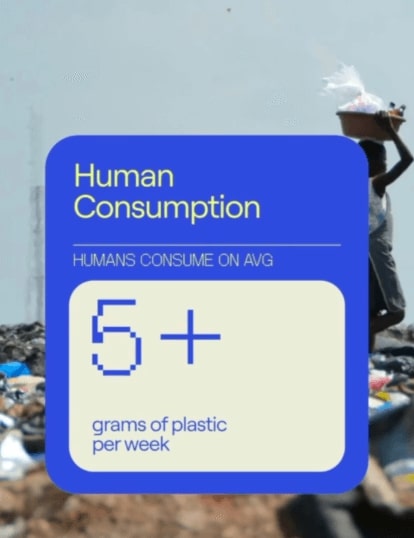
Nostalgic animation styles and blocky structures give the trend personality, while balanced color palettes keep it usable across platforms.
Whether bold or subtle, Playful Pixels adds emotional warmth and approachability to otherwise sleek digital experiences.
2. Human-Led AI
In 2026, AI becomes a natural creative partner rather than a replacement.
Designers use AI across ideation, layout exploration, and visual experimentation, while humans remain firmly in control of direction and taste.
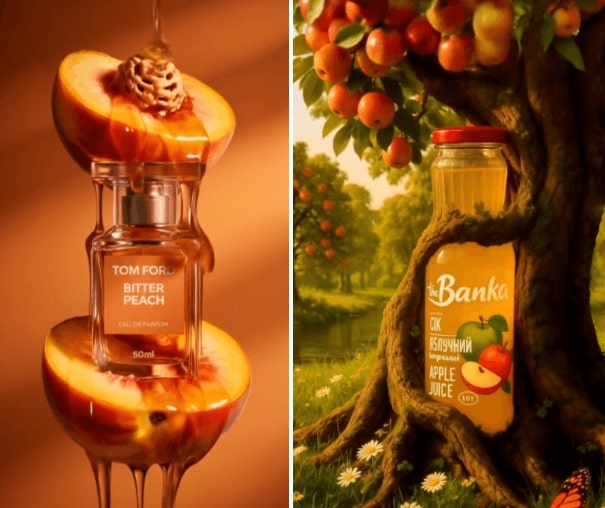
This collaboration opens up new visual languages and workflows, making design feel less like man versus machine and more like an ongoing creative dialogue between intuition and technology.
3. Organized Chaos
This trend breaks away from rigid structure, favoring scattered layouts that feel spontaneous yet intentional.
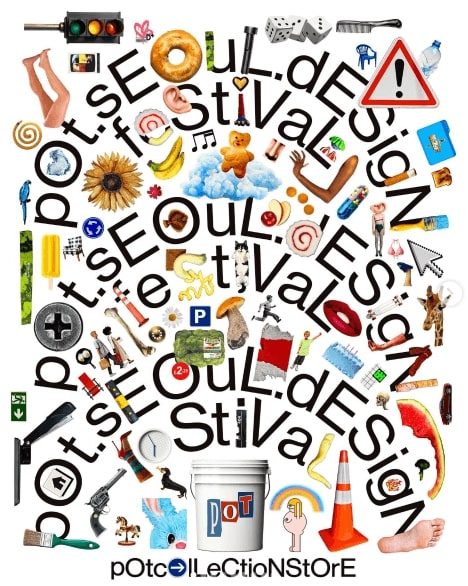
Elements appear freely placed across the screen, inviting users to explore rather than follow a linear path.
Playful and experimental, this approach turns navigation into discovery, reminding us that surprise and curiosity can be just as powerful as clarity.
4. Retro Futurism
Retro Futurism fuses mid-century Space Age optimism with modern, high-shine aesthetics.
Chrome textures, sci-fi typography, glowing neons, and soft pastels create visuals that feel both nostalgic and futuristic.
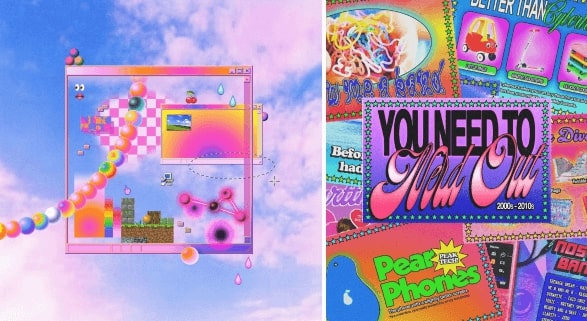
By pairing analog soul with next-gen polish, this trend thrives across tech branding, product launches, music visuals, and lifestyle campaigns, proving that reimagined nostalgia still captivates in the algorithm age.
5. Custom Typography
Some brands are moving away from generic fonts and leaning into custom typography.
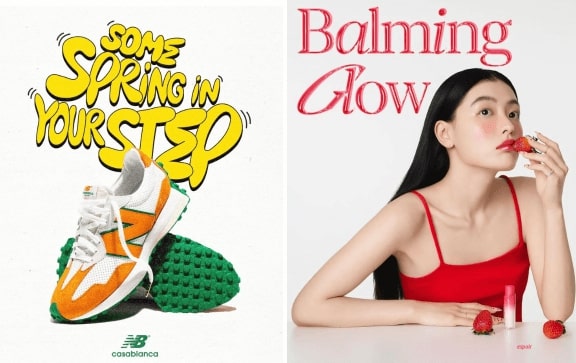
Expressive, irregular, hand-drawn, stretched, or distorted type takes over. Typography becomes a brand’s “face”, a mood-setting visual voice rather than a simple vessel for words.
In 2026, expressive type adds emotion, movement, and character to designs, helping brands stand out while communicating mood and identity at a glance.
6. Creative Draft Mode
Creative Draft Mode celebrates unfinished thoughts, rough ideas, and everyday messiness.
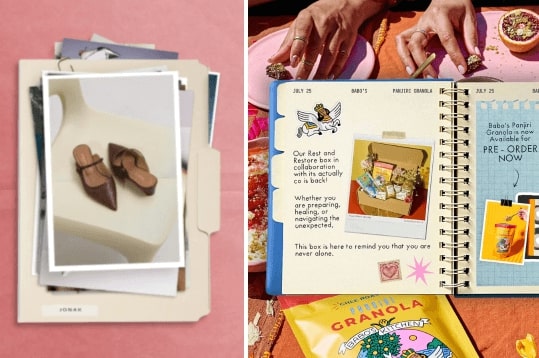
Drawing from camera rolls, scrapbooks, and note-taking apps, it embraces lo-fi visuals, hand-cut collages, and behind-the-scenes energy.
Rooted in a cultural shift toward progress over polish, this trend values authenticity, play, and creative freedom, letting imperfection become the point.
How Brands Can Use These Trends
2026 design is all about intentional personality.
Consumers want brands that feel human, distinct, and creatively alive.
As you build next year’s campaigns, consider testing one trend and applying it consistently across assets.
Use AI to accelerate iterations, and experiment visually to creative high-performing creatives.
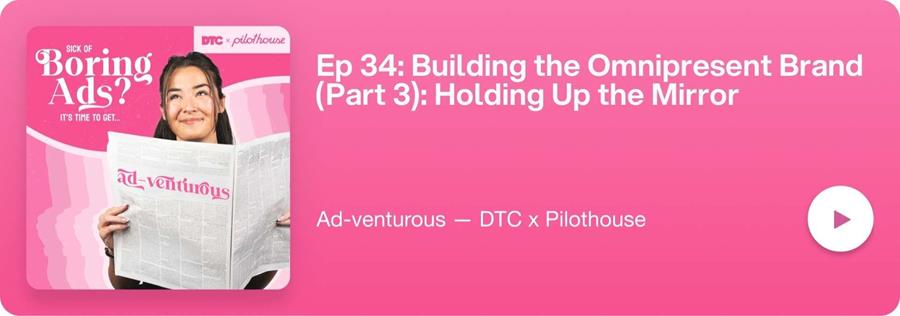
🎧 Building The Omnipresent Brand Part 3
Aves closes out the year with a jam packed episode on what brands should be paying attention to heading into 2026.
She explains why modern brand marketing looks a lot like a “Norman Rockwell era,” how art and advertising live on the same spectrum, and why the brands that win are mirroring real life instead of chasing aspirational perfection or trend cosplay.
What you’ll learn:
▶️ Watch the full episode on YouTube.
🎧 Or listen on Spotify.
🎧 Where Does Shopify and Email Revenue Come From?
Jordan from Pilothouse shares where email revenue actually comes from across 240,000+ purchases and why the most profitable customers are the ones ads no longer reach.
Meta Ad Library’s new update shows you exactly which ads are scaling well and which are getting low impressions.
The new label ‘Low Impression Count’ gives advertisers an immediate understanding of which tests aren’t taking off.
Surender S on LinkedIn shares how growing and scaled brands can use this info to the fullest.
Discover the freshest and most innovative brands that caught our eye! Here’s a few exciting companies redefining their industries.
📥 Got a B2B Biz?
Join dozens of B2B companies finding demand-gen success through our niche community of 150k brand leaders and founders this year. Talk to our team to learn more.
DTC Newsletter is written by Rebecca Knight and Frances Du. Edited by Eric Dyck.
Please note that items in this newsletter marked with * contain sponsored content.
.svg)

.svg)


.svg)
.svg)