Good morning.
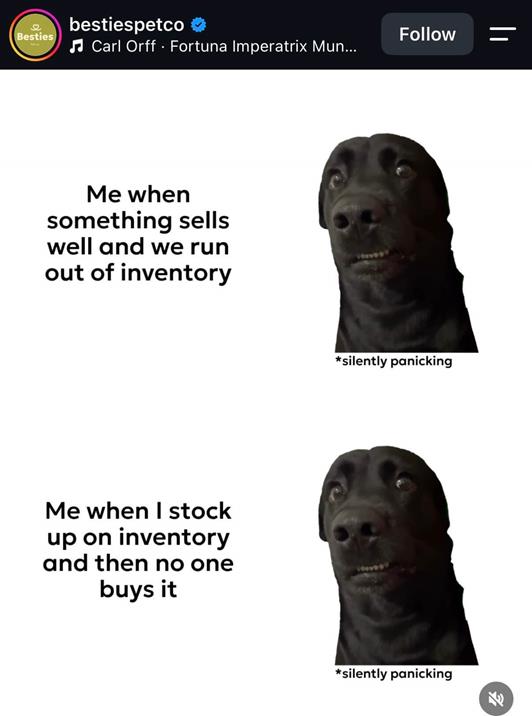
A very relaxing job for very relaxed people.
Here’s your Monday read:
💄 Sephora’s TikTok Shop launch offers a playbook for beauty brands
Sephora made its debut on TikTok Shop with a livestream hosted by Mikayla Nogueira, a beauty creator with more than 17 million TikTok followers and co-founder of POV Beauty.
As part of the launch, Sephora offered a holiday value set exclusively through TikTok Shop. At the time of Glossy’s report, its storefront showed nearly 2,300 products sold.
For beauty brands considering a new shopping platform, Sephora’s approach is worth watching. A focused assortment, a major creator, and a live event give shoppers a reason to visit the new storefront. The next question is whether those shoppers come back for a second purchase.
🔎 Google reveals traffic from image-based searches
Google is rolling out a multimodal filter in Search Console’s Performance reports.
It shows traffic from searches that use an image, including Google Lens, Circle to Search, image uploads and Chrome’s “Search this image” feature. See the screenshot here.
If it appears in your property, check which product and collection pages earn impressions and clicks from visual searches, then compare them with your text-search performers. The one limitation is the report shows landing pages, but does not provide the images or specific queries shoppers used.
📧 An easy BFCM email win? Make the offer obvious
@iamshackelford's advice for operators is to keep the offer simple.
Promote one offer, clear savings, and one end date. His marked-up example puts the dollar amounts up front, uses the same offer line in the email, ad, and landing page, and states exactly when the sale ends.
Before you send your BFCM emails, check that shoppers can understand the deal at a glance. As Nick puts it, “clear is cash.”

🤦 One brand hit their 4x ROAS target all Q4. But they missed something…
What did they miss? Twenty-two percent of those “wins” were losing money on every order.
Every holiday season, brands hit record sales and come out with thinner margins. Acquisition costs rise, discounts deepen, returns spike, and fulfillment gets more expensive as volume climbs.
Levanta pulled together nine tactical ways to find those leaks before peak demand hits. The free guide covers how customer value changes what you can afford to pay creators, where returns and inventory decisions eat into holiday profit, what blended ROAS can hide, and how to protect margin without discounting your whole catalog.
* sponsored
👻 Five Halloween Tests to Run Before BFCM
Halloween gives brands one more campaign window to learn something useful before BFCM.
Some shoppers may hold off on larger purchases as Black Friday approaches. A Halloween campaign can give them a reason to buy now while giving your team fresh offer and creative data to use in November.
The National Retail Federation projects U.S. Halloween spending will reach $13.5 billion in 2026, with consumers expecting to spend an average of $115.14 per person.
Shoppers are also watching costs. If Halloween items cost more than expected, 31% say they’ll compare prices, 26% will look for coupons or sales, and 34% plan to look for items they can reuse.
Pilothouse recommends using the moment to run five tests:
1. Give your evergreen offer a Halloween angle
If you already have an evergreen offer, test a seasonal version with Halloween copy and creative.
The Parallel example keeps the familiar dollar-off promotion and changes the presentation. If the offer already appears on-site year-round, you can also test a channel-specific code in paid social or search while keeping the underlying promotion consistent.

Track conversion rate and average order value to see whether the seasonal framing earns a lift before deciding how to position the offer for BFCM.
2. Test your BFCM offer early
Use Halloween to compare one offer variable at a time, then review conversion rate, average order value, and margin before carrying a result into BFCM.
Offer variables worth testing:
3. Test creative you could reuse for BFCM
Halloween and Black Friday can both accommodate darker creative. Test a darker version of an existing concept now and note which hooks and visuals deserve a BFCM version.
Then give yourself enough time to test that version before the peak sales period.
4. Test urgency copy that can carry into November

Alongside Halloween-specific messaging, test urgency tied to a real deadline or shipping cutoff that you could adapt for BFCM.
In one example, a bedding ad pairs a 10% discount with “selling fast” copy. Compare that urgency angle with your seasonal messaging, then carry the stronger performer into your BFCM plan.
5. Try one playful concept
If you have a product launch or Halloween promotion planned, test one creative variation that pushes the concept a little further while still fitting the brand.
In the example here, a glow-in-the-dark sticker gives the Halloween treatment a direct connection to the offer.

Keep the product and offer clear, test the seasonal version against your usual creative, and record what you learn for BFCM.
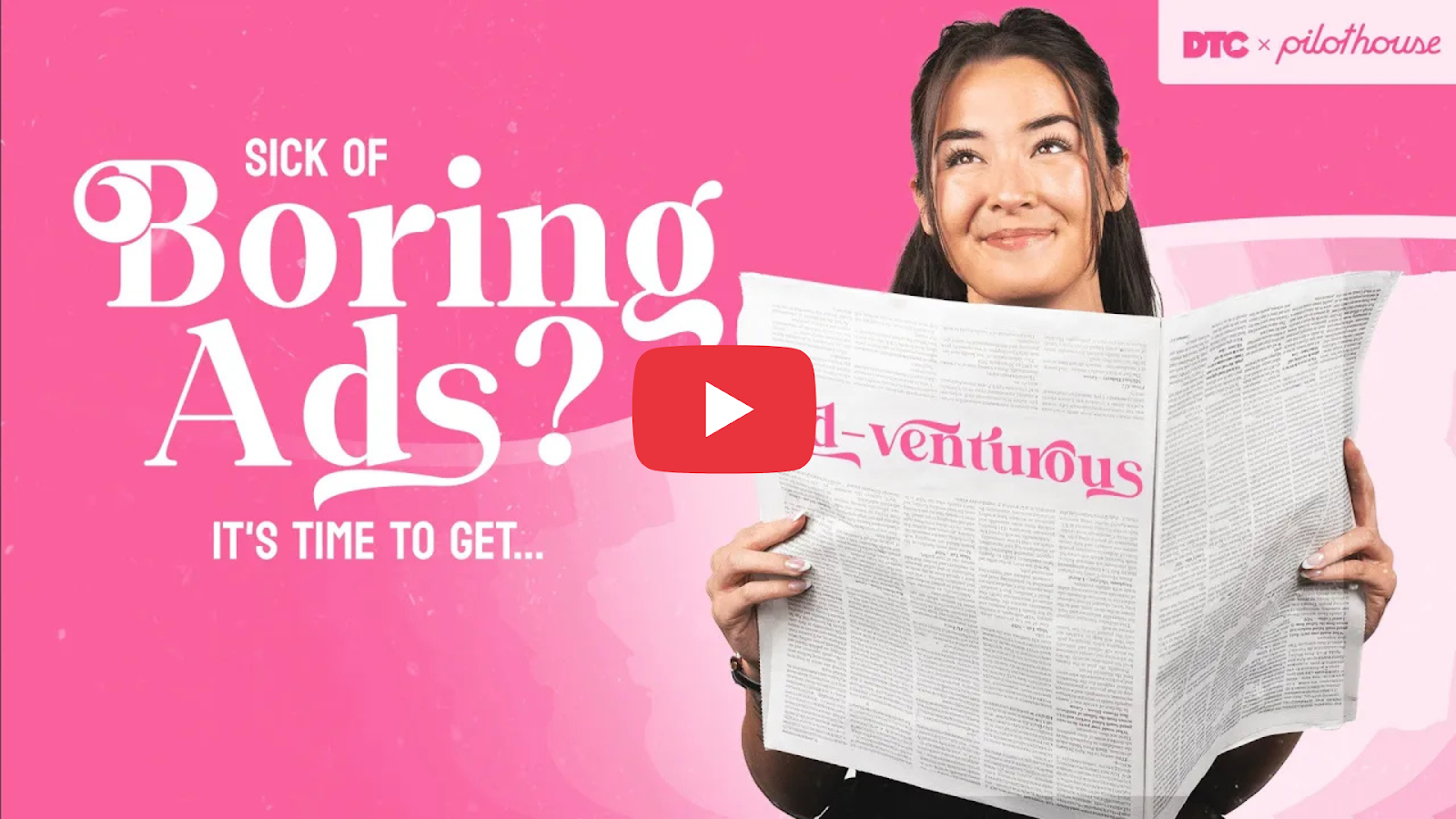
🎧 Try this 3-step hook test as you head into Q4
If you already have a longer-form video that performs well, you may be sitting on a lot more creative than you think.
On Ad-venturous, Aves shared the hook-testing process she uses to turn one creator concept into multiple meaningful variations, giving Meta more creative diversity heading into Q4.
Here’s how to run it.
Step 1: Start with three hooks
Have your creator record three different openings for the same core video.
Keep the initial edits simple and change the first five to seven seconds, including the voiceover and beginning of the video. The goal is to create a clean test where the hook is the primary variable.
Step 2: Figure out WHY each hook performed
Don’t look at ROAS alone.
Aves reviews CTR, CPC, ROAS, comments, engagement, demographic data, and placements to understand what each hook is accomplishing.
A hook with strong conversion but expensive traffic may need a more attention-grabbing opening.
Cheap clicks with weak conversion could indicate the product or solution isn’t clear enough.
Lots of engagement with average performance may mean the concept is entertaining but needs more product information.
That diagnosis determines what you test next.
Step 3: Turn three hooks into nine more tests
Now create micro-variations of each original hook.
Move a high-click visual to the beginning. Add an unexpected edit. Test stronger on-screen copy. Bring the product or its most compelling feature into the opening.
And here’s the important part: change the actual visual in the first three to five seconds.
Simply putting a new text overlay on the same opening footage doesn’t provide the creative diversification Meta needs.
Using this workflow, advertisers can turn one creator concept into roughly 12 distinct pieces of creative before moving into bigger edits like new voiceovers or spliced footage.
Take one of your strongest videos, record three new hooks, and let the performance of each one tell you what to create next.
▶️ Watch here | 🎧 Listen on Spotify
💸 You're spending too much time finding the right creators. Archive cuts down your research and provides a vetted list right in your team chat, ready for outreach. Join the waitlist and get your first 50 vetted creators free. *
* sponsored
Did you find this valuable? Support us by checking out our businesses:
Please note that items in this newsletter marked with * contain sponsored content.
.svg)


.svg)


.svg)


.svg)
.svg)
.svg)