Good morning,
Here’s what you’ll find in today’s DTC:
You’re reading this newsletter along with new subscribers from: Hooray Health, Super Seer, and Dot Foods. 👋

💰 Are Your Lead Gen Campaigns Actually Making You Money?
If you ran a lead gen push before BFCM, a product launch, or a major promo, you probably walked away with a pile of emails, but do you know whether those leads actually paid off?
Most ecommerce brands don’t.
They celebrate cheap CPLs, but never check whether those leads converted profitably compared to their evergreen or sale campaigns.
That’s the gap we want to help you close.
To make it simple, the Pilothouse Meta team built a plug-and-play worksheet you can copy, drop in your numbers, and instantly see whether your lead gen campaigns were worth the spend.
If you want to make smarter, more confident decisions in 2026, click on the link below. 👇
What You Need to Calculate True Lead Gen ROI
Just four metrics:
Drop those numbers into the highlighted cells in this free worksheet, and the bottom line auto-calculates your return.
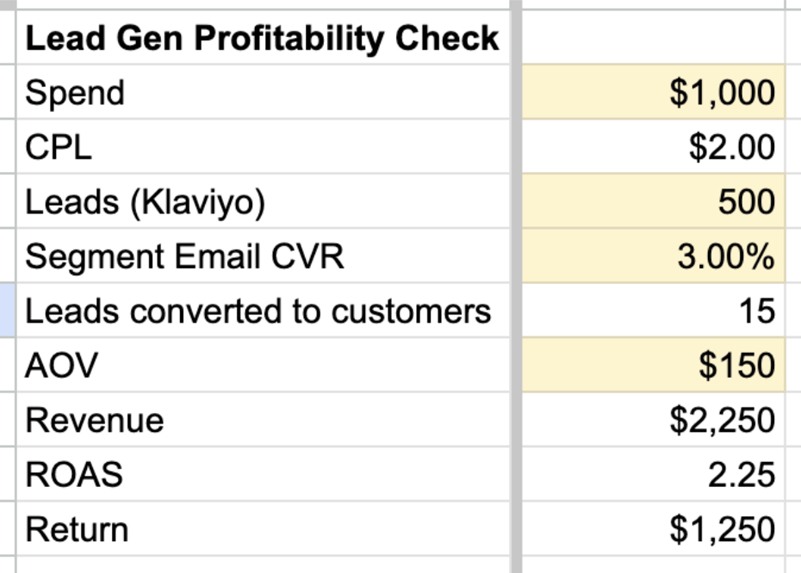
Once you’ve got the return, you can compare it against any evergreen, sale, or product-drop campaigns you ran during the same window.
That’s how you determine your real ROAS drivers.
For example:
If your platform ROAS was ~2, the table shows that lead gen is likely worth scaling for future initiatives.
If your platform ROAS is 2.25+, you might be better off pausing lead gen and pushing that budget into evergreen acquisition.
The worksheet gives you that clarity instantly, so you’re not optimizing off cheap CPLs.
The takeaway?
Before your next launch or offer, run your last lead gen campaign through the worksheet.
Use the calculated ROAS as your decision filter: scale what proved profitable, and reallocate what didn’t.
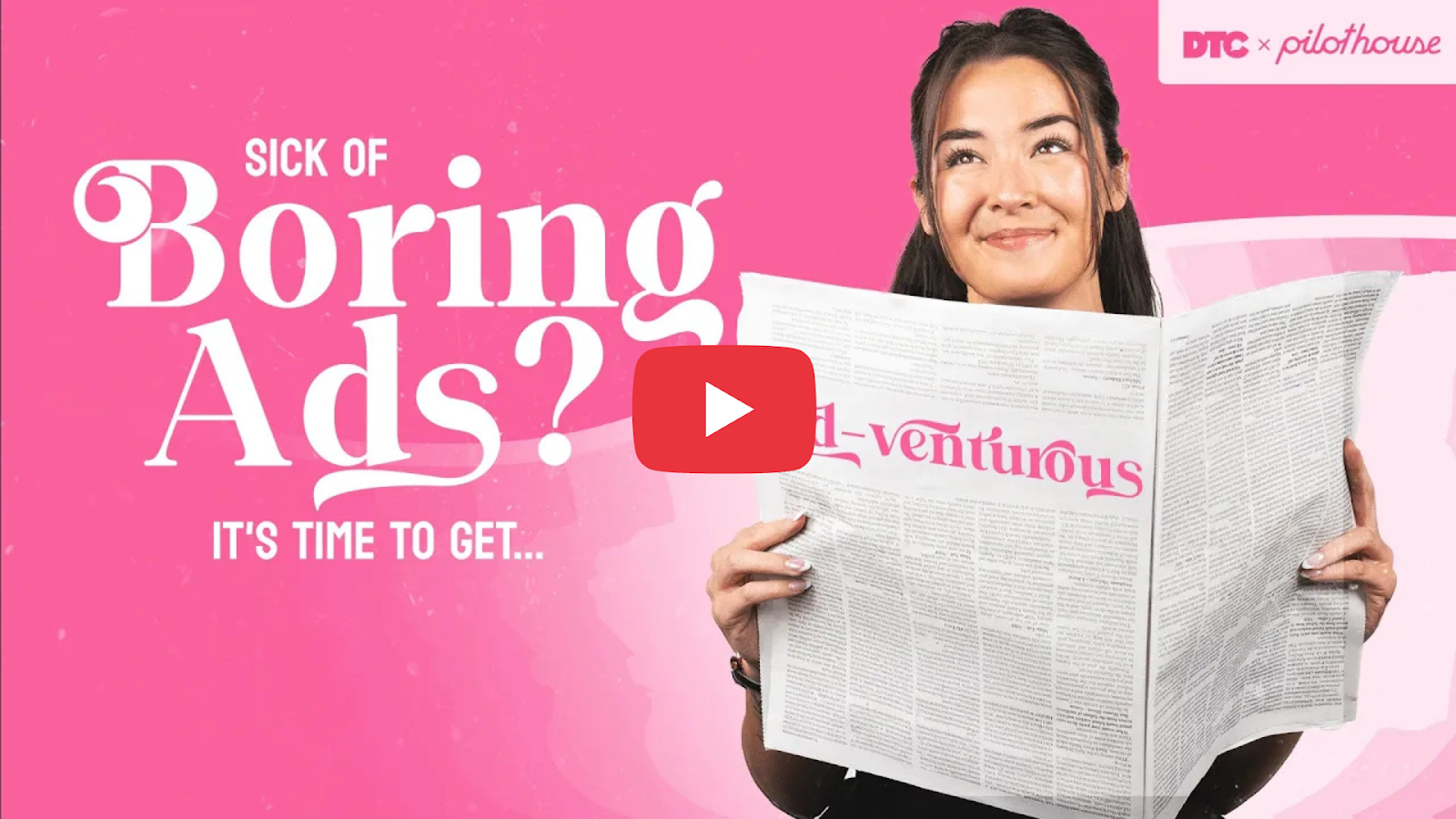
🎧 The Big Three: UGC, CGC, and EGC Plus How to Use Each for Growth
In this episode of Adventurous, Aves from Pilothouse breaks down the three key types of creator content that every DTC brand needs to understand:
1️⃣ User Generated Content (UGC)
2️⃣ Creator Generated Content (CGC)
3️⃣ Employee Generated Content (EGC)
She shares how each format works, when to use them, and why knowing the difference is critical for building both trust and scale.
In this episode, we dive into:
▶️ Watch the full episode on YouTube.
🎧 Or click here to listen on Spotify.
Instead of only surveying your customers, get raw feedback from visitors who almost bought your product.
Why?
Customers that bounced in the past 90 days can reveal blind spots in your ad copy.
Use those objections in your descriptions or FAQ to increase your conversion rate.
This is especially powerful right after BFCM, when shoppers were exposed to your best offers and still didn’t convert.
💀 Instagram Head Shares ‘Polished Feeds Are Dead’
In a year-end message posted on Threads, Instagram Head Adam Mosseri shared his thoughts on how AI will impact creator content in 2026.
He explains that polished feeds are dead and “authenticity is fast becoming a scarce resource.”
As audiences shift toward a raw aesthetic, trust will hinge less on what’s shown and more on who’s sharing it.
Brands should treat UGC in 2026 less as a format and more as a trust signal.
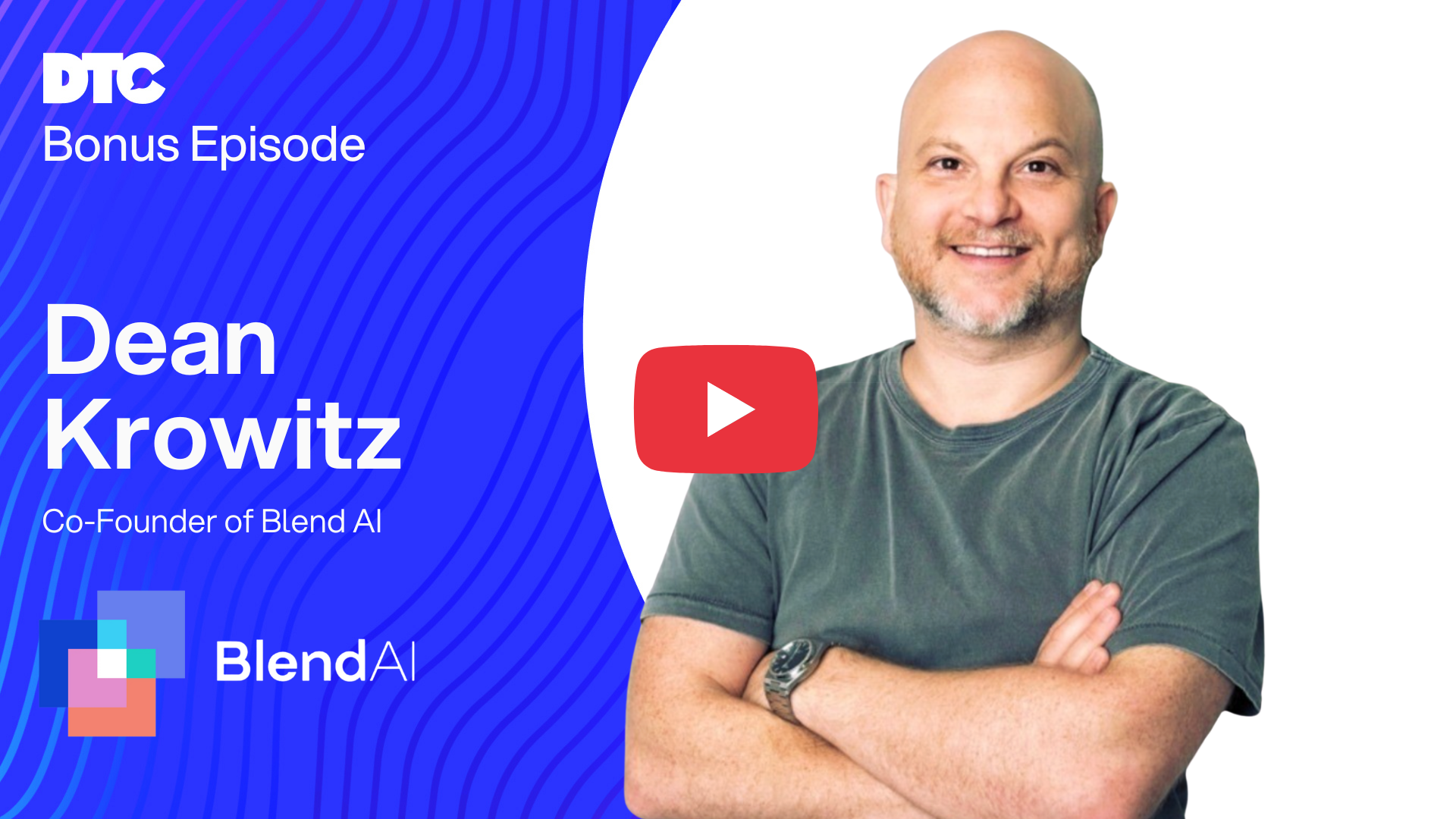
🎧 How to Blend Your Omnichannel Marketing: Composite Funnels, and the End of Meta Monoculture with Dean Krowitz from Blend AI
In this episode of the DTC Podcast, Eric sits down with Dean Krowitz, Co-Founder of Blend AI, to unpack how high-spend ecommerce brands are reallocating budgets across Meta, Google, TikTok, and Microsoft to drive real efficiency.
This episode goes deep on composite funnels, BFCM learnings, and why channel-level ROAS is quietly lying to you.
What you’ll learn:
▶️ Watch the full episode on YouTube here.
🎧 Or click here to listen on Spotify.
📥 Got a B2B Biz?
Join dozens of B2B companies finding demand-gen success through our niche community of 150k brand leaders and founders this year. Talk to our team to learn more.
Have you heard our latest podcasts?
Don’t forget to rate the DTC Podcast on Apple (⭐️⭐️⭐️⭐️⭐️)
DTC Newsletter is written by Rebecca Knight and Frances Du. Edited by Eric Dyck.
Please note that items in this newsletter marked with * contain sponsored content.
.svg)


.svg)


.svg)


.svg)
.svg)
.svg)