Good morning,
Here’s what you’ll find in today’s DTC:
You’re reading this newsletter along with new subscribers from: True Gents Essentials, Leave Dates, and Pip & Nut. 👋

💰 Why The Messy Aesthetic Reigns Supreme
For years, millennial brands sold an aspirational fantasy: perfectly styled products, pristine countertops, and a curated lifestyle that felt more like a showroom than real life.
The problem? Most consumers don’t live that way.
That gap between how brands look and how people actually use products is driving a noticeable shift in marketing.
Pilothouse shares “polished feeds” aren't disappearing, but “too perfect” is losing trust.
Today, everyday messes signal authenticity.
Merit Beauty’s visuals are a standout example of how to walk that line without diluting brand equity.
The problem with picture-perfect product shots:
Highly polished product imagery is visually appealing, but it often communicates the wrong thing:
How Merit balances polish with realism
Merit doesn’t abandon its clean, elevated aesthetic. Instead, it introduces realism within it.
1. Polished shots that show real use
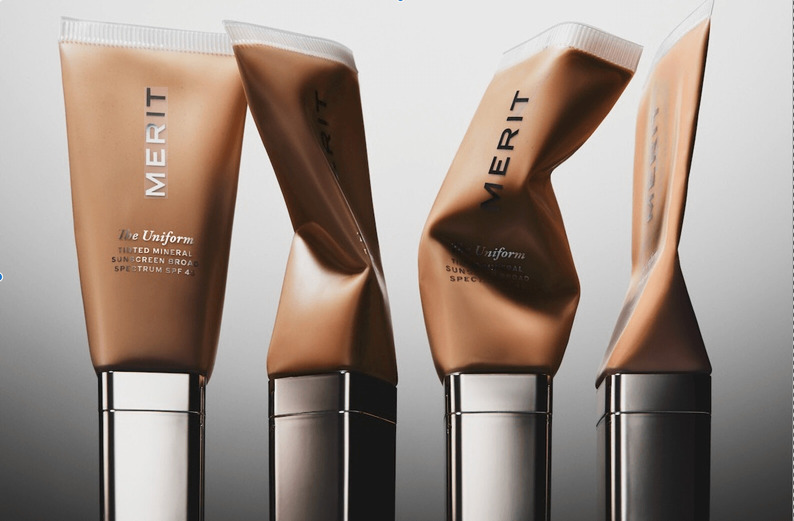
Merit could have easily gone with a polished photo of their tinted sunscreens lined up in a row. But instead, they’ve captured these tubes in mid-use.
There’s still high production value, but now consumers can imagine themselves reaching for the product.
2. Products placed in real-life environments

One of the strongest signals comes from contextual placement, like this visual of Merit lip products sitting in a car cup holder.
It mirrors the consumer’s real routine (e.g., putting on makeup while on-the-go), but still looks on-brand and elevated.
3. Honest swatches and post-use visuals
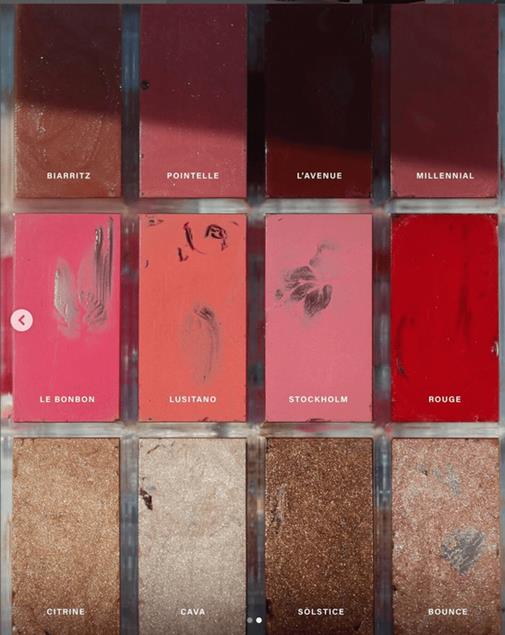
Merit shows how this makeup palette looks after use. It’s not a perfect swatch shot but it feels relatable for customers who have ‘hit pan’ and sets clear expectations.
This builds trust and reduces the gap between what customers see and what they receive.
The takeaway?
Merit’s approach works because it feels human, not performative. It also aligns with Gen Z’s preference for authenticity over aspiration.
You don’t need to abandon polish, but you do need to abandon perfection.
Audit your product imagery and ask: Does this image show how the product is actually used?
📈 Scaling Isn’t About Doing More
At scale, growth isn’t unlocked by adding more.
It’s unlocked by making sharper, strategy-backed decisions.
Pilothouse partners with established ecommerce brands that want to push the ceiling higher. The focus is on protecting what’s strong, stretching what’s possible, and growing in ways that hold under pressure.

🎧 Building A Retention Engine in 2026
If you’ve ever said, “revenue looks fine, but something feels off,” this episode is for you.
Jordan breaks down the custom dashboard he uses to evaluate any account to understand email performance fast.
No vanity metrics. Just clicks, list movement, and inbox health you can actually steer a business with.
What we cover:
▶️ Watch the full episode on YouTube.
🎧 Or listen here on Spotify.
Most brands overlook comparison charts on PDPs, but you shouldn’t.
When shoppers are problem-aware, they’re already comparing options (e.g. your product vs. competitors, a workaround, or DIY hack).
CRO expert Dave Diederen explains a clear comparison chart removes uncertainty, and makes the value of switching obvious.
Vague claims slow buyers down. Sharp contrast speeds up decision making and drives conversion.
🛠️ TikTok Launches New Tracking Pixel
TikTok’s new Off-site Performance Analysis tool will measure what happens after users leave the platform.
Advertisers can now track indirect sales driven by ads, TikTok Shop, Live videos, and organic content to purchases made on a brand’s website.
👥 Community is where growth happens. Agency is a vetted peer network for 7 to 9-figure agency leaders who want clarity, connection, and real support. More here.
📥 Got a B2B Biz?
Join dozens of B2B companies finding demand-gen success through our niche community of 150k brand leaders and founders this year. Talk to our team to learn more.
Have you heard our latest podcasts?
Don’t forget to rate the DTC Podcast on Apple (⭐️⭐️⭐️⭐️⭐️)
DTC Newsletter is written by Rebecca Knight and Frances Du. Edited by Eric Dyck.
Please note that items in this newsletter marked with * contain sponsored content.
.svg)


.svg)


.svg)


.svg)
.svg)
.svg)