Good morning. Eric here. I've been told I'm a real character by more than one person, and occasionally they meant it as a compliment. It's really me writing this every day, and it turns out that's a good thing.
Plenty to get to: why emails with character win, a $1B DTC IPO, and the email flow almost nobody runs.

🤔 Does your email have a character?
"This has been one of our most-used secret-sauce strategies for the last five years." That's Bri, Pilothouse's retention manager extraordinaire, talking about character emails, which just means sending from a real person instead of your brand name. "Dave from [Brand]" in the from-line, written in plaintext, signed off by name.
Copywriter Max Sturtevant recently broke down why they work and posted screenshots of real examples. A real name makes the brand feel human and interrupts the inbox scan. It also lets you test copy you'd never send under the brand voice.
Bri shared the numbers. On one brand, once they moved the sender to a named founder and went plaintext, its six highest emails of the year, on both revenue and clicks, were all character emails, with click rate up around 45% on average. On another brand, eight of its ten best-performing emails ever were plaintext. These are Pilothouse's own results, so weigh them accordingly.
How Bri's team runs it:
To try it, pick your next launch, send the same offer from a real person in plaintext, and compare the click rate to your last few sends.

🔎 The LLM shelf - AI discovery report 2026
Shoppers are asking AI what to buy. Is your brand on the list?
Our new report from DTC Reports is benchmarking how shoppers are using AI to find products and what brands are doing to show up when they do.
We're surveying consumers and brands both. Add your data to the 3-minute merchant survey (anonymous) and get the full report before it goes public.
💄 Reformation files for IPO
In more "we're so back" DTC news: Reformation filed to go public and launched its roadshow today, targeting a valuation up to $1B. It's selling 14.1 million shares at $15 to $17, which could raise as much as $239 million.
Why it's a DTC bellwether: the last wave of DTC brands to go public (Warby Parker, Allbirds, Casper) mostly listed while unprofitable and traded down. Reformation is pitching itself as profitable and at scale, so if it prices well, it reopens the exit path for the next round of DTC brands eyeing the public markets.
The model is DTC to the core: 90% of revenue is direct-to-consumer per the filing, and over 30% of new DTC customers come in through one of its 70 stores first. The stores work mainly as an acquisition channel for the online business.
For context, Reformation is an LA womenswear brand founded in 2009, known for dresses and going-out clothing made from deadstock fabric and marketed on style rather than sustainability guilt. Its operating model is close to Zara's: its own factory and new collections every two to four weeks, at smaller scale and with the sustainability angle.
On the numbers: Q1 revenue rose 30.4% to $112.3 million, a 20th straight quarter of double-digit growth. Revenue is up but profit is down, $12.6 million last year versus $32.6 million the year before.
Since 90% DTC is now common, the real question is whether its sustainable-brand positioning is a durable advantage. I'll be watching where the valuation lands.
🧠 A CPG landing page designer shared his full template
@stepanecom, who's designed hundreds of ecommerce landing pages, posted his working structure end to end. It includes everything from a hero that gets the point across in three seconds, reviews and UGC placed high on the page instead of buried near checkout, three to four core benefits and nothing more, then an ingredients or mechanism section right before the buy box.
He also gives a solid reason for including a money-back guarantee: it's cheaper to refund one order than fight a chargeback and lose the customer.
Check out his list of landing page elements and compare it against the pages you’re currently running.
👀 Your audience is here. Are your ads?
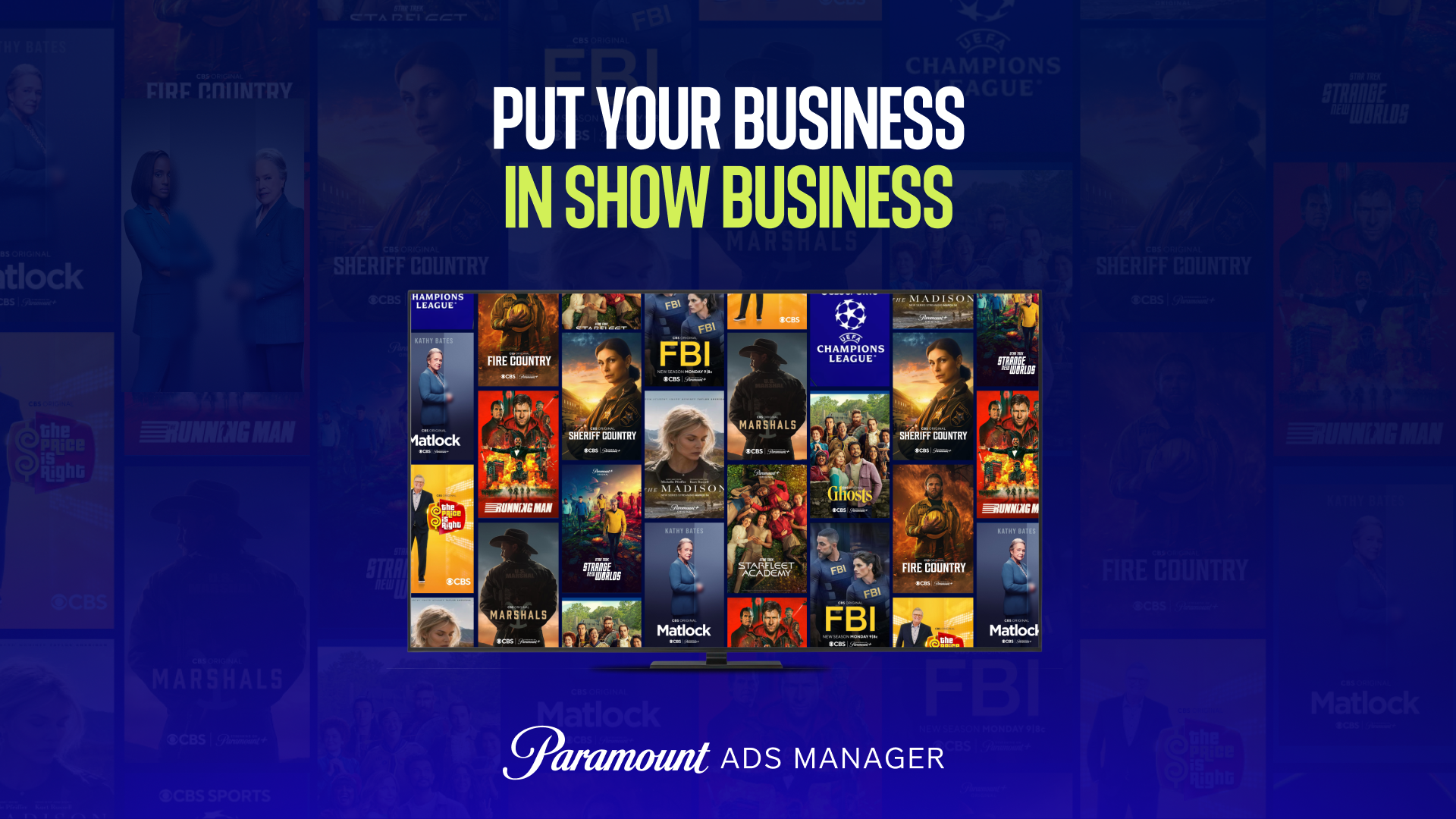
13.3 million people tuned in for the Dutton Ranch season premiere. NFL on CBS is the most-watched window in all of TV. RuPaul’s Drag Race consistently slays as the #1 reality show across key demos.
Chances are, your audience is already watching TV’s biggest shows on Paramount’s premium streaming networks.
Paramount’s streaming ads see 21% higher attention than other streaming platforms. Those extra seconds of attention matter.
If you've been curious about CTV but assumed it was built for Fortune 500 budgets, that's changed. Paramount Ads Manager is self-serve, so you can launch a campaign yourself, and you don’t need a Super Bowl budget to do it.
* sponsored
🎧 85% of your email revenue comes from one segment
I had Jordan on the podcast last week, he runs CRO and email/retention at Pilothouse and has been inside 400 to 500 Klaviyo accounts at this point, so when he tells me something's a pattern, it's a pattern. Here's the one we spent the episode chatting about.
About 85% of campaign revenue comes from people who've been on your site recently. Doesn't matter how you slice it, that's consistently where the money's coming from. And yet plenty of brands are still emailing someone three times a week because they opened a message within the last 180 days, even if that person hasn't visited or bought anything in a year and a half.
That other 15% isn't free money either. It comes with unsubscribes, spam complaints, and a sending reputation that gets worse for almost nothing in return. Jordan's watched accounts get into real trouble this way, usually because there are too many campaigns going out to segments that are way too broad.
He said he'd rather see a brand run eight to 12 tight campaigns a month and let flows do more of the heavy lifting.
Which brings up the flow almost nobody's running. This is the usual setup:
1. Someone clicks a campaign for a new or niche product
2. Pokes around the site for a bit
3. Leaves
4. They get hit with the standard browse or cart abandonment sequence, don't buy, and fall back into the regular campaign rotation.
Jordan thinks there should be one more step after that, a flow triggered by recent site activity that runs for eight to 12 weeks and slowly sells the products that person is most likely to buy: the hero products, the strongest value props, the proof, the reasons those items keep winning.
The thing that got them to click might not be what closes them. Their eventual purchase is still probably one of your bestsellers.
Most brands have the major lifecycle moments covered, signup, first purchase, post-purchase. Site visits happen way more often than any of those, and each one is another shot at staying in front of someone who's already shown interest.
If you want to know where you stand, open your email platform. How much of your campaign revenue actually comes from recent site visitors? How stale are the people sitting in your regular segments? How many campaigns are you sending a month? And what happens to someone after they finish your abandonment flows without buying? If the answer is nothing, that's probably the first thing to fix.
Full episode's linked below if you want Jordan walking through all of it himself.
▶️ Watch here | 🎧 Listen on Spotify
🛒 Running an online business? Your experience can help design the future of ecommerce tools. Join Blink UX’s research panel, share your insights, earn gift cards, and influence the platforms you use every day. Join here. *
* sponsored
Did you find this valuable? Support us by checking out our businesses:
Please note that items in this newsletter marked with * contain sponsored content.
.svg)


.svg)


.svg)


.svg)
.svg)
.svg)