Good morning.
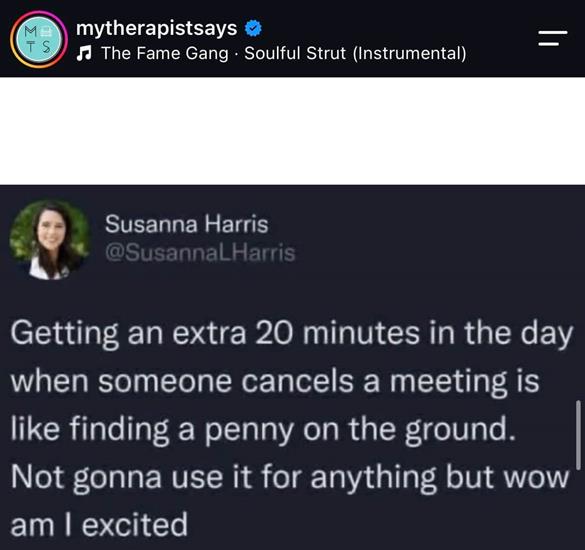
May the meeting you’re least looking forward to today mysteriously disappear from your calendar.
Here’s what’s on the docket today:
🤖 Meta’s Muse can shop and check out from eligible Shopify stores
Meta launched Muse, a personal AI agent that can search for products and complete purchases. It can browse sites, fill out forms, ask the shopper for approval, and pay using Stripe’s Link wallet and a one-time-use card.
Shopify says products are shared with Meta by default through Shopify Catalog. President Harley Finkelstein says U.S.-shipping merchants with products in the catalog are already discoverable, and Muse orders land in Shopify like orders from other channels.
Open the Agentic Storefronts section in your Shopify admin and check Meta’s catalog access and direct checkout settings. Then look at the data Muse will use to choose between you and another brand, especially titles, images, prices, availability, and return information.
📊 Google Ads AI Dashboards build visual reports from a text prompt
Some Google Ads accounts can now generate a visual dashboard from a written request. Google pulls from your account data, builds the chart, and adds a summary explaining what changed and what may have caused it.
Give it a question your media buyer has already investigated. Ask for campaign-level spend, purchases, CPA, and conversion rate compared with the previous 30 days, then see whether its explanation matches theirs. If the conclusions differ, you have something useful to investigate before either version reaches the budget meeting.
🎄 Online holiday sales are forecast to grow 9% as inflation props up the topline
Bain expects U.S. holiday sales to grow 4.5% and pass $1 trillion across November and December. Online sales are forecast to climb 9%, although inflation is expected to generate more than half of the overall dollar increase.
Bain also found that 24% of shoppers plan to begin their holiday search on an AI platform, up from 17% last year. Keep the 9% benchmark for context, then forecast unit demand and contribution margin separately. A revenue lift caused by higher prices will not help much if discounting and fulfillment eat the difference.
⚡ A PDP subtitle rewrite reportedly lifted one brand’s conversion rate by 49%
@natelagos found subtitles on a client’s PDPs that repeated the variant name or reused the brand tagline. He tested several replacements, and the generic feature-focused version performed worse.
The winning copy positioned the product as an upgrade from the weaker everyday carry item the shopper probably already owned. Lagos reports a 49.27% conversion lift from that client test.
Open one of your PDPs on mobile and read only the product title, subtitle, and first image. If all three are saying roughly the same thing, there’s your test.
📥 Made In developed a new product after two years of requests in its Instagram DMs
Made In’s CMO reads 20 to 30 customer questions and comments on Instagram each day, according to Modern Retail. Questions about scrambled eggs sticking to its pans became an educational video. A chef who spent two years requesting a fish basket eventually got the product made, and Made In says it now struggles to keep it in stock.
Springrose has changed a bra’s fabric, magnet direction, and gripping device through customer conversations in DMs. Spend 20 minutes tagging the past month of messages by repeated question, product problem, and request. That gives the content team usable briefs and shows the product team which complaints keep coming back.
🛠️ Before you buy more traffic, fix these 7 bottom-of-funnel leaks
Jordan from Pilothouse mapped out seven places where interested shoppers tend to disappear before buying, plus the fixes he’d test first.
1. Make the PDP gallery do some selling
Your image gallery is one of the most-clicked parts of the PDP. A stack of clean product shots wastes that attention.
Use the later slides to answer the questions holding someone back:
Someone should understand the product’s case after swiping through the gallery, even if they never read the rest of the page.
2. Give the hero section enough to hold attention
The hero section needs to earn the scroll. Strong product visuals, one clear message, and movement can keep a visitor around long enough to reach the rest of your pitch.
Audit it on mobile first. If the product, core benefit, and next action aren’t clear within a few seconds, simplify it.
3. Put the proven product first
Early-stage brands love leading with whatever just launched. A first-time visitor has no context for why “new” matters.
Put your bestseller above the fold and shorten the path to purchase. Smaller catalogs can link directly to the PDP. Larger catalogs may need a collection page that helps shoppers choose quickly.
This is one of the easier homepage tests to ship this week.
4. Sequence your popups around visitor intent
One immediate popup can interrupt someone before they know what you sell. Jordan recommends testing a sequence:
Suppress the later prompts after someone converts, and give shoppers a choice between email and SMS where consent allows. Check your own time-on-site data before borrowing the 120-second benchmark.
5. Give abandonment more than one chance
A single abandonment email covers one moment. Someone who gets distracted during checkout may need a quick reminder. Someone who decides the price feels high may need proof, reassurance, or a reason to return.
Start with a simple sequence:
Change the message as the sequence progresses. Repeating “you forgot something” three times gives the shopper nothing new to work with.
6. Use the welcome flow while intent is fresh
A subscriber who joins and keeps browsing has raised their hand. If they haven’t purchased by email two or three, test a stronger offer with a clear expiry.
Make the deadline real. Rolling “today only” offers can create compliance risk and teach subscribers that your urgency means nothing.
7. Keep reactivation running beyond 90 days
A 60- or 90-day cutoff ignores the long buying cycles behind plenty of products. Extend reactivation testing across 12 months and treat the sequence like a second introduction to the brand.
Re-establish what you sell, lead with the products customers choose first, and show what has changed since the subscriber last paid attention. Then suppress the people who remain inactive so they don’t drag down engagement forever.
🎧 Should DTC Brands Wait Until $10M to Run Paid Ads?
Welcome to the first edition of The DTC Rundown, a rapid-fire breakdown of the arguments, strategies, and problems DTC operators are talking about right now.
This week’s question: Should DTC brands really avoid paid ads until they hit $5M to $10M in revenue?
A viral Codie Sanchez tweet sparked a major debate on X. Eric sits down with Jordan, host of TWBERP, and Rafael, who runs strategic growth and partnerships at Pilothouse, to work through the argument.
They get into when paid acquisition actually makes sense, why brands can end up paying to reach customers who were already going to buy, and why stronger growth can sometimes make your marketing metrics look worse.
▶️ Watch here | 🎧 Listen on Spotify
🛒 Selling on Walmart Marketplace is one of this year's smartest investments. New Seller Savings 2026 is happening now. Sign up to unlock up to $75K in New Seller Savings to build your business on Walmart Marketplace.* Conditions apply.
* sponsored
Did you find this valuable? Support us by checking out our businesses:
Please note that items in this newsletter marked with * contain sponsored content.
.svg)


.svg)


.svg)


.svg)
.svg)
.svg)