Good morning.
Eric here, back from a blissful beach vacation on Lake Ontarimerica…😬 Speaking cross-border good will, I’m coming to NYC on Sept 15th for another installment of the hit series, DTC Dines, fresh off our fantastic Austin event in July. Attendees were heard to remark “your dinners have the best vibes,” and “are you sure you should have that 11th Michelob Ultra?” though the two statements were unrelated. If you’re brand-side in NYC, please come. Apply here.
Here’s what else you need to know this fine Wednesday (and stick around for a cool tip on how to generate urgency, like RIGHT NOW ⏰).
💸 FTC says Amazon secretly inflated ad auctions by at least $20 billion
The FTC and 22 states sued Amazon on August 31, alleging more than one million brands and sellers paid hidden ad-auction surcharges over seven years. Amazon told advertisers they were entering second-price auctions, but the FTC says Sponsored Products advertisers paid their full bid in roughly 80% of auctions by 2024.
The complaint says Amazon pushed the surcharges higher around Prime Day and Black Friday, which is a fun time to learn the auction may contain an imaginary bidder. Amazon denies the allegations and says average CPC stayed flat from 2019 to 2024. There’s no refund process or confirmed auction change yet, but this will be one we’re keeping an eye on.
📦 Shopify changed what “inventory” means in reports yesterday
Starting September 1, Shopify’s inventory reports use on-hand quantity instead of available quantity. On-hand inventory includes units committed to open orders and units that cannot currently be sold, so your reported stock may jump even though no new boxes arrived. The change affects sell-through, days of inventory remaining, ABC analysis, and month-end inventory reports.
Data before September 1 stays on the old definition, leaving a clean little break in every trend line. Update any dashboard or reorder rule that treats Shopify’s inventory number as sellable stock.
💸 Oil, aluminum, and vinyl are getting more expensive
The same supply squeeze raising oil prices is now showing up in foil, stickers, cooler lids, and other packaging materials. Modern Retail reports that Yeti is dealing with higher prices and shipping delays for stainless steel, magnets, and resins, while StickerYou says vinyl costs have climbed 6% this year.
Both companies are leaning more on domestic production, automation, and new suppliers to protect margin and keep orders moving. If packaging is a meaningful line item for you, get fresh quotes before locking in Q4 pricing.
📺 YouTube creators can now tag your Amazon products inside videos
YouTube has added Amazon to its Shopping affiliate program, letting eligible creators tag Amazon products in videos and livestreams. Viewers can open the product listing while they watch, and the creator earns a commission when the tag drives a sale. If you already pay YouTubers for reviews, ask whether they have access and send over the ASINs you want tagged. That old review sitting in their back catalog can keep selling long after the sponsorship invoice is paid.
🤖 ChatGPT ads hit a $1 billion run rate in under 200 days
OpenAI says ChatGPT’s advertising business reached a $1 billion annualized run rate less than 200 days after launch. Self-serve access is also expanding into India, Europe, the Middle East, and North Africa, with tens of thousands of advertisers already running campaigns. OpenAI says one advertiser reported a 3x return over 28 days, which is one company’s result and not your new forecast. If you have access, test a small budget while the format is still new and keep view-through conversions separate from sales driven by clicks.
🎉 Confetti on the biggest bundle lifted conversion 5.47%
@DaveDiederen says adding confetti to a bundle selector lifted conversion rate by 5.47% and revenue per visitor by 6.32%.
The effect appeared when shoppers selected the largest bundle, along with a message confirming they had reached the biggest savings. Most bundle selectors respond to a larger order with a new price and absolutely no ceremony. If you have a top tier worth pushing, test making the moment feel like a win.
💡 Create urgency with specific stats over generic claims
Two jewelry brands show how advertisers can build creatives around urgency and get customers to act now.
Pilothouse shared these examples and specific steps for building the same urgency into your own creative funnel.
Product Render with Plain Background and Logo
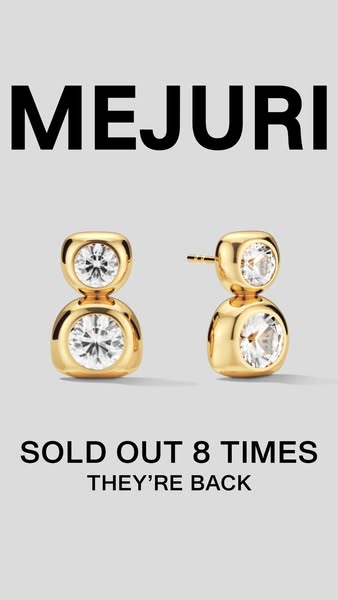
This is a simple creative style with clear urgency-focused messaging. It performs well at the top of the funnel and holds up just as well with warmed-up audiences.
Putting the product front and center, especially if it’s a top performer from a new customer acquisition cost (nCAC) perspective, lets it do the work of grabbing attention while the urgency headline drives action.
How to make this work:
For a brand like Mejuri, it’s going to be style, but if it were feature-led, adding a badge that called out the winning feature/benefit would help this style perform at the TOF.
Product Image with Long Form Clearance Sale Text

This is a scrappier approach to scarcity but performs well across the funnel.
By adding reassurances about quality and a callout to 1 million orders, they’re pairing social proof with heavy discounting to build trust.
How to make this work:
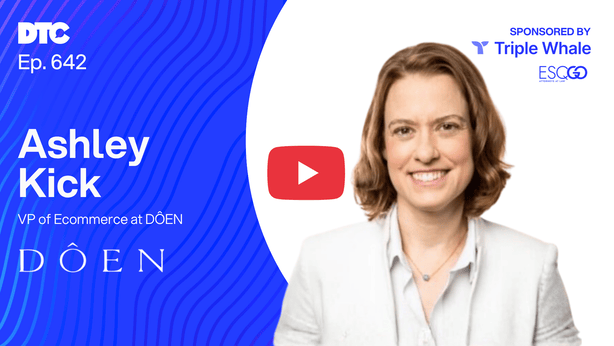
🎧 Kick or Keep These Trends with DÔEN's Ashley Kick: AI Creative, TikTok Shop, Amazon, and Branded Resale
Ashley Kick, VP of ecommerce at DÔEN, shares how the 9-figure premium apparel brand is using AI, TikTok Shop, and retail to grow the business.
She explains how their resale program, Hand Me DÔEN, helps keep them from getting undercut by dupe sellers, why she doesn’t use AI for customer service support, and the importance of building a strong retail footprint.
▶️ Watch here | 🎧 Listen on Spotify
Did you find this valuable? Support us by checking out our businesses:
Please note that items in this newsletter marked with * contain sponsored content.
.svg)


.svg)


.svg)


.svg)
.svg)
.svg)