SPONSORED BY:


Good morning,
Here’s what you’ll find in today’s DTC:
1️⃣ Why your brand needs to show up for these 3 micro-holidays
2️⃣ The art of making memes that resonate with your audience
You’re reading this newsletter along with new subscribers from: Telos, Tsubaki, and Optimum Golf. 👋
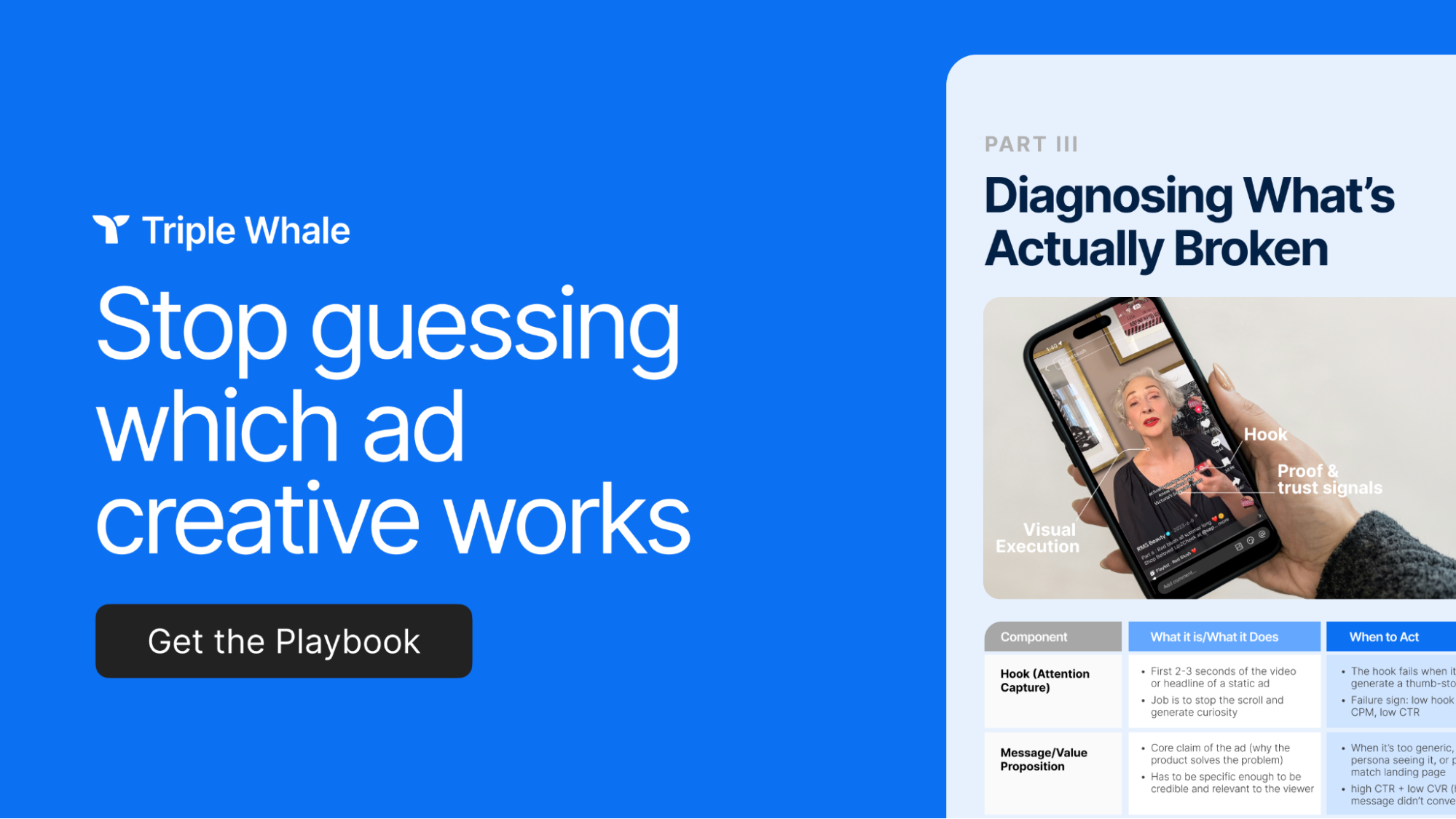
🚨 15–25% of Your Ad Spend Is Probably Going to Fatigued Creative
Creative fatigue starts long before you see it hit ROAS. By the time revenue drops, your ads have been underperforming for weeks.
The problem isn’t producing more creative, it’s producing meaningfully different creative.
Same angle + same promise + same structure + a new headline = Meta seeing through it instantly.
The fix isn’t more volume. It’s different intent.
So Triple Whale put together a Creative Audit you can run yourself.
Get access to a clear system to:
If your ads feel like they’ve plateaued… they probably have.
And you’re still spending like they haven’t.
* sponsored

📅 Don’t Ignore These 3 Micro-Holidays as A Growth Lever!
Micro-holidays are smaller cultural or seasonal moments that may not command massive global attention, but still resonate deeply with specific audiences.
When used strategically, they create meaningful engagement, incremental revenue, and momentum during slow sales periods.
And right now, three of them are sitting right in front of you.
🚺 Women's History Month
For women-owned brands, Women's History Month in March is a natural opportunity to connect with customers in a way that feels authentic rather than purely promotional.
💡 Pilothouse Tip: even if your brand isn't women-owned, this can still be relevant if there's a real connection. If your audience skews female, or your products speak to women's experiences, there's a genuine connection to make.
A limited product release, a founder spotlight, or a campaign that celebrates your community can turn a cultural moment into a growth lever.
The key isn't running a massive sale. It's acknowledging the moment and giving customers a reason to participate.
Authenticity goes a long way here. Customers can tell the difference between a brand that shows up with intention and one that's just slapping a hashtag on a discount.
😆 April Fools' Day (April 1st)
April Fools' Day is one of the most underused holidays in ecommerce.
Brands that lean into humor (rather than playing it safe) tend to generate strong social engagement and word-of-mouth that extends well beyond the day itself.
The most common tactic is dropping a fake product announcement.
But the best executions go a step further.
Big Blanket Co. skipped the tired "gotcha" format entirely and led with the headline "No Fools, Just Fannies," launching a limited-edition blanket alongside a branded fanny pack.

The result wasn't just a laugh. It was a real AOV driver.
The lesson? Humor doesn't have to come at the expense of revenue. When the joke is the product, everyone wins.
🐰 Easter (April 5th)
Easter might feel irrelevant if your catalog doesn't scream springtime, but that's a framing problem, not a product problem.
If you sell anything that could work in a gift basket (e.g. skincare, snacks, candles, accessories, supplements), you already have an Easter play.
Bundle two or three complementary products, position it as a ready-made Easter basket, and you've created a new purchase occasion without touching your catalog.

The visual language of Easter (e.g. pastels, brightness, freshness) also gives your creative team something to work with across email and social, even if the connection to your core product is loose. Often, it's just about reframing what you already sell.
The Numbers Back It Up
These aren't feel-good marketing exercises. Brands that have recently executed campaigns around micro-holidays like these are currently seeing YOY revenue growth ranging from 20% to 74%.
That kind of lift isn't coming from massive seasonal demand spikes. It's coming from consistently activating smaller moments that most brands ignore.
Why Micro-Holidays Work
Two reasons. First, they let you show up when your competitors are quiet. Major retail holidays (Black Friday, Valentine's Day, Mother's Day) are brutally competitive.
Ad costs spike, inboxes overflow, and standing out gets expensive. Micro-holidays give you a clear lane with far less noise.
Second, they smooth out your revenue curve.
Instead of relying solely on seasonal peaks, you create smaller growth moments throughout the year. Over time, those incremental lifts compound into meaningfully stronger annual performance.
The takeaway?
The brands that grow consistently aren't just showing up for the biggest holidays — they're showing up for the smaller ones too.
When a cultural moment intersects with your brand, even loosely, it's an opportunity to create relevance, drive engagement, and generate revenue.
You don't need a perfect fit. You just need a reason to show up.
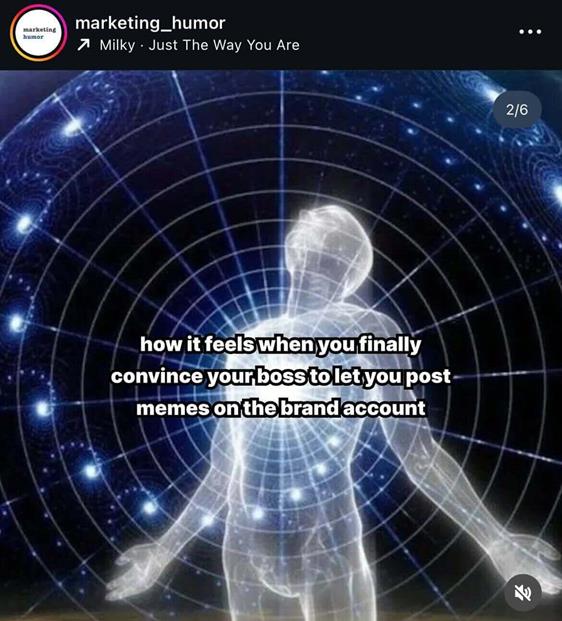
🎧 Memes Are A Language Most Brands Don’t Speak
Most brands are terrible at meme marketing.
Why? Because they focus on trying to be funny instead of trying to be understood.
Aves shares why it's so important to speak the meme language your customer already understands and why “it takes smarts to show up stupid.”
Learn how to successfully create meme ads that drive millions in revenue.
We cover:
Meta vets content with AI. The platform will roll out more advanced AI systems to handle content violations and cut back on third-party vendors. Read more →
Remix your YouTube Shorts. The new AI tool can transform a single frame from an existing Short into a new 8-second video. Read more →
Meet Nespresso’s newest brand ambassador. The coffee brand taps pop star Dua Lipa to help attract more Gen Z consumers. Read more →
📥 Got a B2B Biz?
Join dozens of B2B companies finding demand-gen success through our niche community of 150k brand leaders and founders this year. Talk to our team to learn more.
Don’t forget to rate the DTC Podcast on Apple (⭐️⭐️⭐️⭐️⭐️)
DTC Newsletter is written by Rebecca Knight and Frances Du. Edited by Eric Dyck.
Please note that items in this newsletter marked with * contain sponsored content.
.svg)


.svg)


.svg)


.svg)
.svg)
.svg)