Good morning,
Here’s what you’ll find in today’s DTC:
1️⃣ Learn how to use Meta’s incremental attribution to prove which creatives are actually driving new growth
2️⃣ How to stay visible when AI discovery becomes the default on Amazon
You’re reading this newsletter along with new subscribers from: Squoosh, Dabble, and DeeBee’s Organics. 👋

💡 How To Implement Incremental Attribution
Incremental attribution isn’t just a toggle. It works best when paired with structural changes in how campaigns are built and tested.
Here are Pilothouse’s steps for executing Meta’s incremental attribution to actually make a difference.
1️⃣ Make It Your Default for Creative Testing
This is where incremental attribution earns its keep.
Traditional setups often crown "winning" ads that are really just reaching pre-engaged audiences (people who were already likely to convert).
That makes it hard to know if a creative can truly scale beyond warm traffic.
By testing creatives under incremental attribution, you get a clearer signal:
That distinction alone can meaningfully improve your hit rate as you scale.
2️⃣ Consolidate with Flexible Ad Structures
Meta’s systems perform best when there’s room to optimize.
Consolidating ad variations into fewer ad groups and leaning into more flexible formats let the system find winning elements faster, allocate spend more efficiently, and reduce fragmentation.
A simpler structure isn't just easier to manage. It aligns better with how Meta’s delivery system evaluates performance.
3️⃣ Think Beyond Creative and Optimize the Full Journey
A common mistake is focusing only on ad creative while ignoring the post-click experience.
Performance is shaped by the entire funnel: your ad and your landing page.
Testing different landing page experiences alongside creative can meaningfully amplify results.
Incremental attribution tends to reward this holistic approach because it captures the true lift across the entire funnel.
However, incremental attribution is not a universal solution. Some accounts will benefit more than others.
It tends to shine when:
The takeaway?
You don't have to ditch standard attribution. Many accounts still use traditional models (like 7-day click windows) for short-term optimization and retargeting. The real opportunity is in layering incremental attribution alongside these, not swapping them out.
Think of it as widening your perspective, not replacing your playbook. As Meta's ecosystem gets more automated and privacy changes limit tracking precision, understanding what truly drove a result matters more than ever. For brands looking to grow sustainably, it's less of a feature and more of a mindset shift.
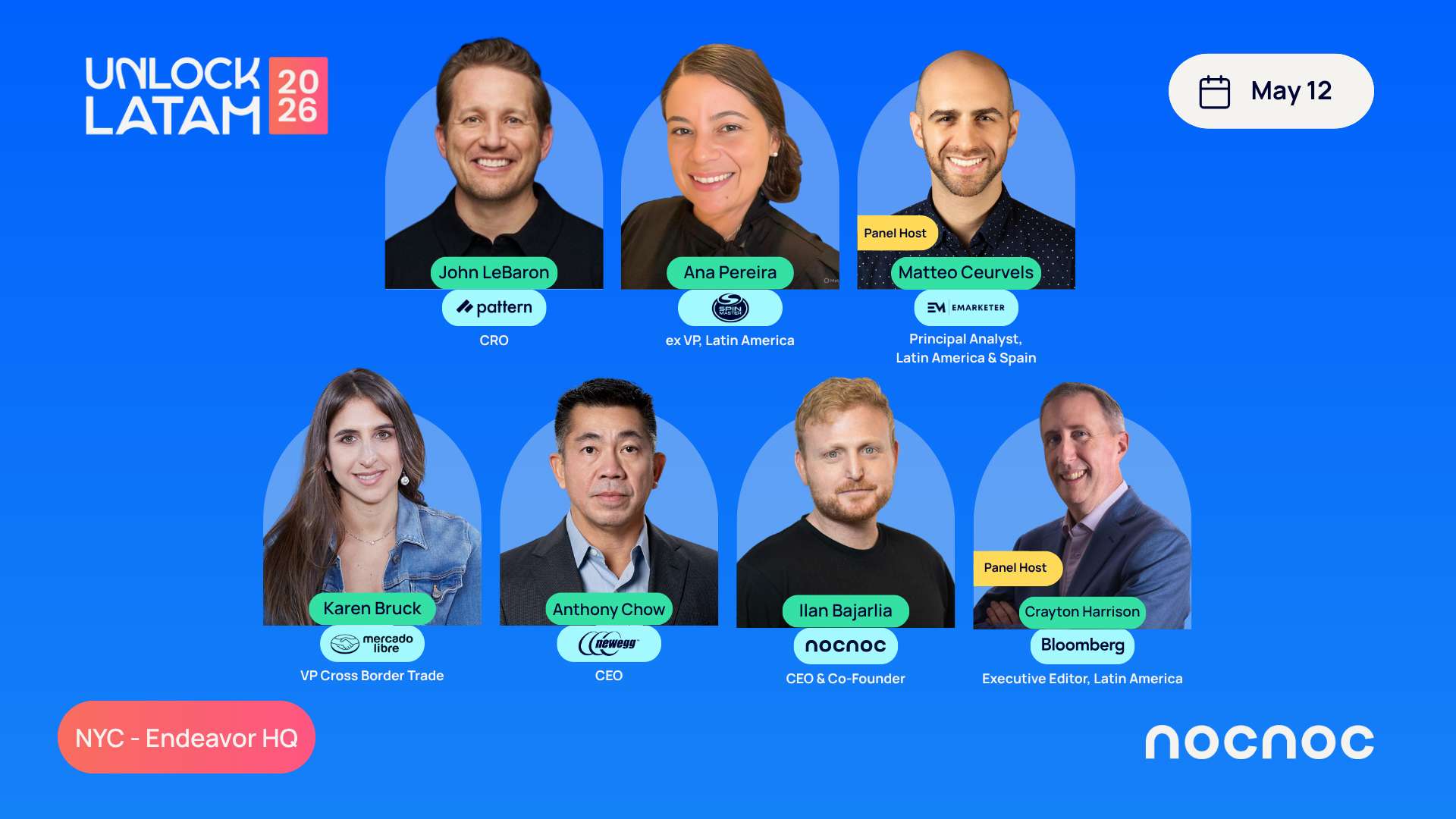
🌎 NYC’s Top Cross-Border Ecommerce Event (Free for Brands & Sellers — Limited Time)
On May 12 in NYC, 100+ sellers, brands, and marketplace leaders are gathering to unlock a major opportunity: LATAM.
Chanel, L’Oréal, Nestlé, GNC, and Newegg already have their seat.
Meet marketplace executives, global brands, and experienced operators sharing real-world cross-border strategies, emerging market insights, and what’s next in ecommerce.
General Passes ($1,090 value) are currently free for brands & sellers for a limited time.
One week left. Limited spots.
👉 If cross-border growth is on your roadmap, this is where smarter expansion starts.
Can’t attend live? Register now, and you’ll still get post-event session recordings filled with cross-border insights, strategies, and expert conversations.
* sponsored

🎧 Rufus Reads Your Images: Why 40% of Amazon Searches Are Already AI-Driven
Amazon’s AI assistant Rufus is already in ~40% of shopping sessions, and according to Amazon CEO Andy Jassy, customers who use it are 60–100% more likely to purchase.
But most brands haven’t adjusted.
Tyler Mazur, Head of Amazon at Pilothouse, breaks down what Rufus is actually changing inside Amazon from how products get discovered to how listings are interpreted across text, images, and context.
What we cover:
GameStop’s takeover offer. The video game retailer makes a bold move to acquire eBay for $56B to rival Amazon. Read more →
Preview impact estimates. Google tests a new way for advertisers to estimate the impact of a change like adding negative keywords. Read more →
Targeting Gen Z. Louis Vuitton names Olympic figure skater Alysa Liu as its latest brand ambassador. Read more →
📥 Got a B2B Biz?
Join dozens of B2B companies finding demand-gen success through our niche community of 150k brand leaders and founders this year. Talk to our team to learn more.
Don’t forget to rate the DTC Podcast on Apple (⭐️⭐️⭐️⭐️⭐️)
DTC Newsletter is written by Rebecca Knight and Frances Du. Edited by Eric Dyck.
Please note that items in this newsletter marked with * contain sponsored content.
.svg)


.svg)


.svg)


.svg)
.svg)
.svg)