Good morning.
Welcome back, Microsoft (364 😂) users; we missed you.
Here’s what’s in today’s newsletter:
Let’s get into it.
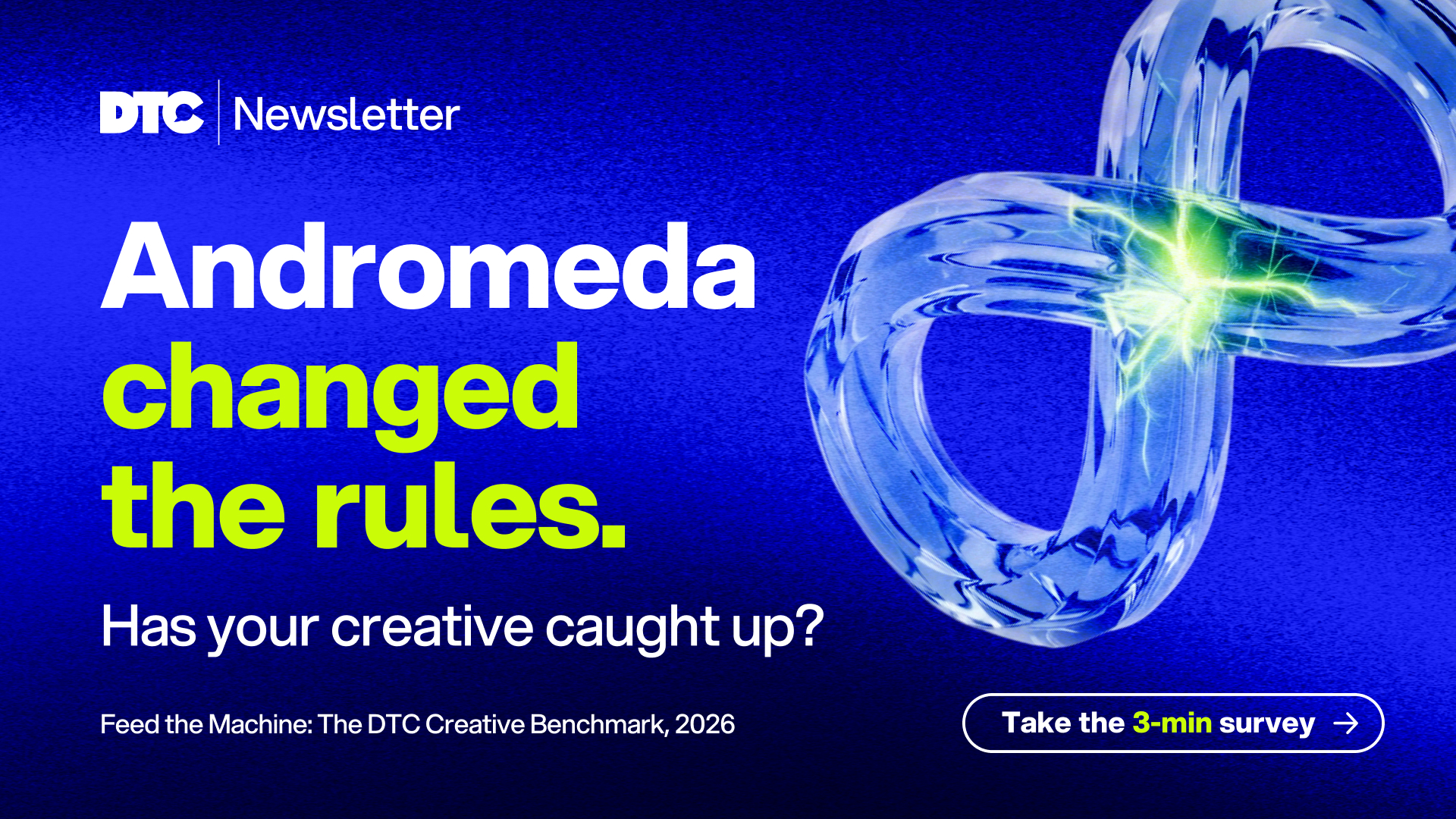
❓ 3 minutes, one $1,000 Amazon gift card, and a creative benchmark you’ll want to see
Meta’s Andromeda has changed how much weight creative carries, and a lot of brands are still figuring out what “enough creative” looks like.
So we’re building Feed the Machine: The DTC Creative Benchmark, a survey of DTC brands on how much creative they ship, how quickly their best ads fatigue, and how teams are adapting their creative operation for Andromeda.
It takes 3 minutes, it’s anonymous, and you’ll be entered to win a $1,000 Amazon gift card.* The survey closes November 27, so don’t leave it until Black Friday.
Survey results may be used in DTC editorial and advertorial content. Personal information will not be shared.
* One entrant will be randomly selected to win a $1,000 Amazon Gift Card. No purchase necessary to enter. Survey must be completed by November 27, 2026 to be eligible. This giveaway is open to legal residents of the United States and Canada (excluding Quebec) who are 18 years or older. Void where prohibited.
📈 Google’s “Learning” label now tops out at seven days
Google’s updated guidance says Smart Bidding’s “Learning” status lasts seven days max. Changing your budget, bid targets, creative, or targeting won’t restart it or wipe your historical data. Switching to a new bid strategy, or making certain structural or conversion-goal changes, still can.
So if you’re bumping budgets for BFCM, keep an eye on CPA, ROAS, and conversion lag. The label going away doesn’t mean performance has settled.
🎯 The Meta setup one buyer goes back to every holiday season
@herrmanndigital shared the campaign structure he leans on every Q4:
He says it’s usually his fastest, easiest setup to scale in Q4. If you try it, compare it with your current campaigns before moving more budget over.
🤖 Your Microsoft ads could get a “Made with AI” label
Using AI-generated images or video in Microsoft campaigns? Microsoft’s new guide explains when supported ads show a “Made with AI” watermark, including assets marked AI Content + Watermark that serve in the EU or New York State.
One thing to check is that declaring AI use and asking for a visible watermark are two separate settings. For Shopping offers, the declaration applies to each individual product, and that part’s still rolling out.
Before you upload holiday creative, double-check which labels you’re putting on your assets and product feeds. Not every AI declaration adds a visible badge.
🌟 Meta may be adding a stop before your website
You built a landing page for your BFCM offer. But some shoppers who tap your ad might see a Meta product page before they ever get there.
We flagged this one back in October. Meta started turning on product browsing for existing Facebook and Instagram ads on October 28, unless advertisers opted out. So if you didn’t change the setting, it’s probably on now.
What’s different
How to check it
Before BFCM budgets go up, Pilothouse suggests walking through the whole path from ad to checkout, the same way a shopper would.
And if you decide to keep product browsing on, compare purchase CPA, ROAS, and store sales while keeping other changes to a minimum. Write down the date you changed the setting so you can make sense of any shifts later.
👇 Your 2027 retention strategy starts now
Your Black Friday campaigns might bring in thousands of new customers. But how many will buy again in 2027?
That might just depend on what your customers experience between checkout and delivery…
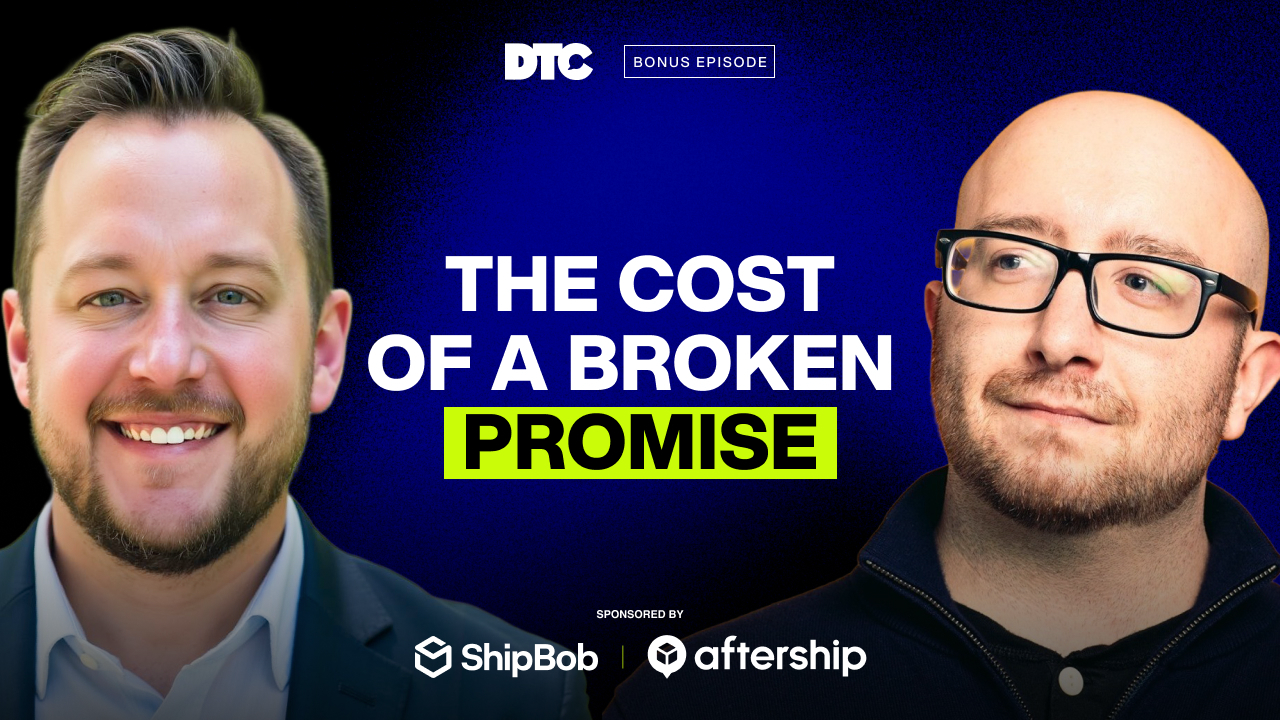
In a recent episode of the DTC Podcast, Eric sat down with Codee Burton from ShipBob and Mike Fazio from AfterShip to discuss how fulfillment, shipping, and returns influence customer retention.
Codee shares an example of a premium home and kitchen brand that logged more than 20,000 customer support tickets in just five months, with roughly 20% related to customers asking where their orders were.
It's a very real example of how shipping problems can quickly become retention problems.
The episode explores four ways brands can improve their post-purchase experience:
▶️ Watch here | 🎧 Listen on Spotify