.svg)


Back

Content


Content

.svg)
Welcome to the DTC family!
Oops! Something went wrong while submitting the form.
Back


Good morning.
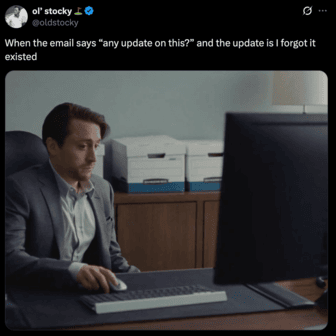
And somehow it gets worse when you click the link and have to request access.
Here’s your Tuesday morning reading:

🍴 You’re invited: DTC Dines returns to Vancouver
One table. 30 seats. A room full of DTC founders and operators who understand the context.
On October 29, DTC Dines returns to where it started for an invite-only dinner with brand owners and operators. Come talk shop over great food with people building and scaling DTC brands.
If you own or operate a DTC brand in the Vancouver area, apply for a seat. The guest list is curated, and we keep the dinner small on purpose.
🏷️ Google wants to add your website deals into campaigns
Starting October 12, Google Ads will automatically source promotions from advertisers’ websites and attach them to eligible Search and Performance Max campaigns.
Google’s documentation currently requires location assets and no manual promotions running on the campaign.
For eligible brands, it could reduce manual setup when offers change. Ahead of BFCM, check that website discounts, codes, and conditions are current.
Want control over the exact offer and dates? Google recommends manual promotion assets. You can also turn off Automated promotions in your account-level automated asset settings.
🧪 Put your PMax creative to the test
Performance Max asset experiments let advertisers compare two sets of creative within one asset group, using a defined traffic split.
You choose control and challenger assets, while shared assets remain available to both sides. Google still labels the feature as beta.
For operators, this offers a structured way to test a creative change before committing to it.
Plan ahead. Google recommends running experiments for at least four to six weeks, and assets in the tested group are locked until the experiment ends. Choose a group you won’t need to keep updating as holiday offers change.
💡 Use Alexa for Shopping as a competitor research tool
Amazon’s Prime Day sale starts today, and @alexgoughcooper shares how he uses Alexa for Shopping as an ad research tool.
Ask about a specific product, then follow up with “What are the exact words people use to describe their pain points?”
Try it on your own products and competitors’ listings to find frustrations, buying objections, and language worth testing in creative.
Check the original reviews before treating Alexa’s answers as direct quotes. Then use what you find to sharpen hooks, product page copy, and FAQs around questions shoppers actually ask.
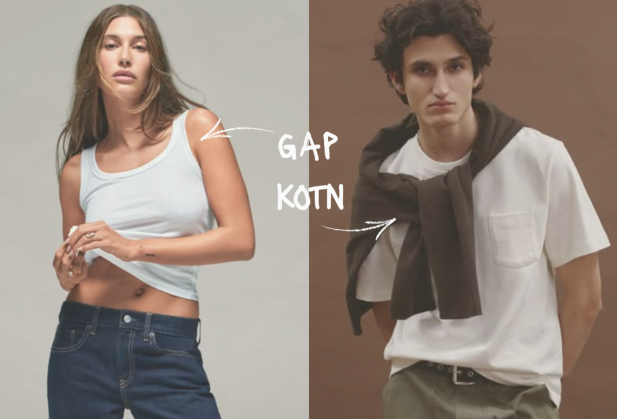
👕 How Gap and Kotn give a white T-shirt different meanings
Gap and Kotn both sell simple wardrobe basics: white T-shirts, cotton sweaters, neutral pants, and everyday layers. The products may look similar on a rack, but the stories surrounding them lead customers toward very different interpretations.
Gap: familiarity built over decades
Gap’s storytelling draws from more than five decades of brand history. Founded in San Francisco in 1969, it grew from a store created to make finding jeans easier into a defining name in American casualwear.
Its denim heritage, blue logo, memorable campaigns, and long connection to music and popular culture give even a basic white T-shirt a sense of familiarity and nostalgia.
A Gap T-shirt feels accessible and broadly recognizable, partly because many customers have known the brand for most of their lives.
Kotn: values woven into the product
Kotn launched in Toronto in 2015 and has built its story around values that feel especially relevant to younger shoppers, including thoughtful consumption, traceable materials, and responsible production.
The brand says it sources long-staple Egyptian cotton directly from smallholder, family-run farms. Its B Corp certification gives those claims additional credibility.
Muted colors, natural textures, spacious layouts, and editorial photography reinforce the idea that each piece belongs in a carefully considered wardrobe.
Customers may never consciously analyze every detail. Together, the photography, casting, language, materials, packaging, and company history shape what the product represents, who it appears to be for, and how it fits into the customer’s identity.
For marketers, the lesson is to make photography, copy, materials, and packaging reinforce the same product story.
Gap connects a white T-shirt to decades of American casualwear and cultural familiarity.
Kotn connects it to thoughtful design, material origins, and responsible production.
The no-logo test
Remove the logo from your bestselling product and ask: what story would a customer take away from everything surrounding it?
Hit reply and tell us what your product represents beyond its features.

🎧 Email audit horror stories
Jordan from Pilothouse looks inside Klaviyo accounts every day.
Sometimes what he finds is genuinely terrifying.
On the latest DTC Rundown episode, Jordan and Rafael share some of the scariest setups they’ve encountered.
One Klaviyo account had 700 live flow messages.
They explain what they’ve found while auditing ecommerce brands: excessive sending, attribution settings that overstate email’s contribution, and channel strategies that deserve another look.
▶️ Watch here | 🎧 Listen on Spotify
Did you find this valuable? Support us by checking out our businesses:
Please note that items in this newsletter marked with * contain sponsored content.
.svg)

.svg)


.svg)
.svg)