Good morning.
Eric here. The DTC zeitgeist is a rumblin’ today. Let’s dive right in…

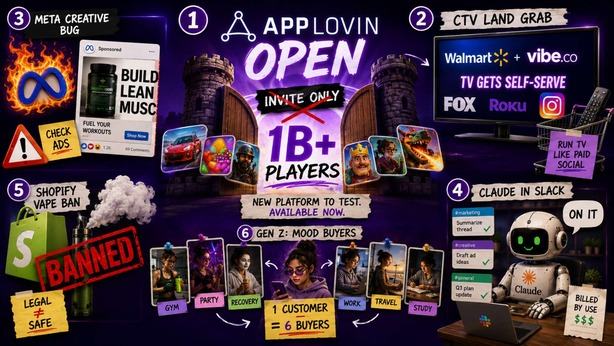
📲 AppLovin just opened its doors to everyone
For 14 years AppLovin was invite-only, and even early ecommerce access was capped to brands doing $10M+ a year. As of this month those gates are gone, and any brand can run self-serve performance campaigns.
Haus published incrementality research on June 18. Across brands that tested it, AppLovin ranked in the top quartile of their channel mix in 39% of tests (against 25% by chance) and in the top half 63% of the time (against 50%), and measured about 11% more efficient than the field at driving direct purchases. Haus notes results vary widely between brands, so run a geo holdout rather than trusting the in-platform dashboard.
On timing: the platform was closed for over a decade, so the auction is less crowded than Meta or Google right now. That will shift as more advertisers onboard.
One more thing: they spent last fall trying to make "Axon" happen as the platform name. Nobody played along. It's back to "AppLovin Ads," with Axon now just the engine underneath. You kept calling them AppLovin. They took the hint.
📺 The CTV landgrab continues - Walmart Acquires Vibe.co
Walmart’s acquiring Vibe.co (both of which you may have seen in DTC before), a self-serve CTV platform with 10,000+ advertisers, and is folding it into Walmart Connect. The pitch: run streaming TV like you run paid social. Launch it yourself, measure it against actual Walmart purchase data, no media team required.
Fox grabbed Roku last week. Instagram launched on Samsung TVs yesterday (no ad inventory yet but I wouldn’t be surprised to see it coming). Multiple major platforms made a living-room move in the same two weeks.
For years, Meta got more TV-like. Now TV is getting more Meta-like. Self-serve buying, performance measurement, and retail attribution are turning what used to be a brand channel into something operators can fully optimize.
The Walmart x Vibe.co deal closes end of fiscal 2027 so nothing to do today. But the direction is clear and it's moving fast.
⚒️ Meta is mangling creatives again. Check yours before they go live.
@natelagos flagged on X this week that Meta's been cropping images and blurring parts of ads before they run. In his example the crop took out the headline entirely. Other operators piled in saying it's been getting worse for months.
No fix from Meta yet. Go check your active ads (for things that look like this) and anything queued right now, because the alternative is finding out from someone in your comment section asking why your ad looks like AI slop. They'll fix it eventually. Probably.
🚀 The agency I trust enough to build a media company with
I joined Pilothouse as content director years ago, and that role eventually grew into DTC Media, this whole company. So I've had a front-row seat the entire time.
We started as sharp performance and creative people, and we've grown into a true growth partner, where strategy, creative, and media feed each other instead of running as separate shops handing work over the wall.
I remember when it was two guys and a couple laptops, and now we’ve worked with hundreds of amazing brands like Benchmade, L’Oréal, AeroPress, and many more.
The brands I see crush it most with Pilothouse are in the $5 - $50m range, ready to build a true growth system.
The agency business is a people business, and I'd put our people up against anyone's.
🤖 Claude now lives in your Slack and picks up tasks like a coworker
Well this one would have been great a few months ago before we custom built our own Claude Slack bot (shoutout and long live our Meta buyer bot Gary).
Anthropic launched Claude Tag, now in beta for Team and Enterprise accounts. The meaningful difference from a regular bot: it builds context across the whole channel over time, can follow up on its own when a thread stalls, and everyone in the channel works with the same Claude - so anyone can steer it or pick up where someone left off. It's billed by consumption, not by seat (keep an eye on that billing).
August 3 it switches over for everyone on Team or Enterprise. We'll tell Gary he's got competition.
❗ Shopify's about to wipe out a whole category. Worth caring even if you don't sell vapes.
Shopify is reportedly banning all vape sales as soon as this week, after a bipartisan coalition of 25 state attorneys general spent a year leaning on them. FDA-authorized, fully compliant sellers get cut right alongside the illegal ones. Being legitimate doesn't save you when the platform decides a category is more trouble than it’s worth.
If your category sits anywhere near a regulatory gray area, this is the warning shot. Every brand thinks platform risk applies to someone else until it applies to them.
Puff puff, Shopify's giving this one a pass.
⭐ Gen Z isn't loyal to your brand. They're loyal to how they feel today.
@iamshackelford is six posts deep into a beverage CPG series on X. Post six hit different.
He pulled two numbers from a Keurig Dr Pepper report: Gen Z and Gen Alpha are 58% more likely than older shoppers to pick a product based on mood or occasion, and 25% more likely to switch based on what they're doing that day. The beverage framing is incidental. This applies to every category.
The one customer your account is built around secretly became six different customers depending on the day. Most accounts still run one hero offer and one winning creative until it dies. You're basically building for a buyer who doesn't exist anymore.
His fix: run 4-6 narratives at once. Hydration angle. Social night angle. Recovery angle. All true for the same person in the same week. Narrative diversity over audience targeting. Which, not coincidentally, is exactly what Meta's been pushing accounts toward anyway.
We’re looking at these ads through the lens of protein brands, but if you’re not a protein brand that doesn’t mean now is the time to tune out. These USP callout creatives can work across multiple verticals.
Keep reading 👇
Most protein brands are selling the same benefits: high protein, low sugar, clean ingredients.
The difference isn't the USP. It's the creative format.
Here are four approaches worth testing.
Low-Fi Image with Overlay
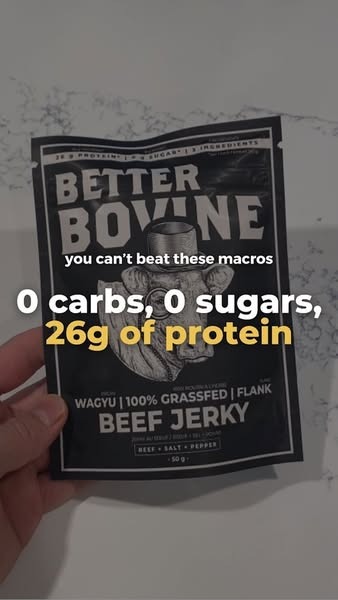
A raw, unpolished image paired with clear product messaging keeps things simple without sacrificing impact.
Find your winning creative first, then pair it with strong top-of-funnel product messaging. Keep it simple. Over-branding or layering in too many elements will undermine the organic feel that makes this format work in the first place.
Product Render
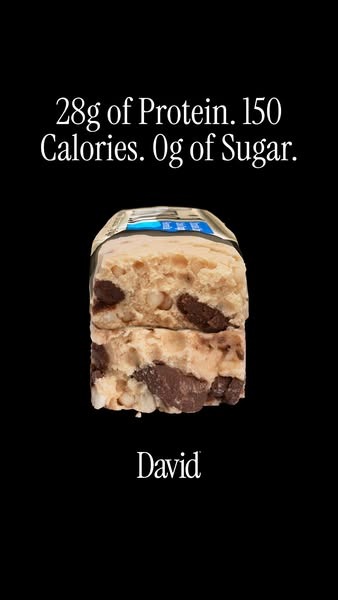
This format takes a more branded approach while staying concise and visually sharp. Strong color contrast does much of the work here in stopping the scroll.
This style is straightforward to produce, especially with AI tools. What makes the David example effective is that the product image has a slight imperfection, which makes it feel more authentic.
And if you go this route, make sure the logo is visible. David keeps it clean and prominent.
Static Flat Lay with Lots of Copy
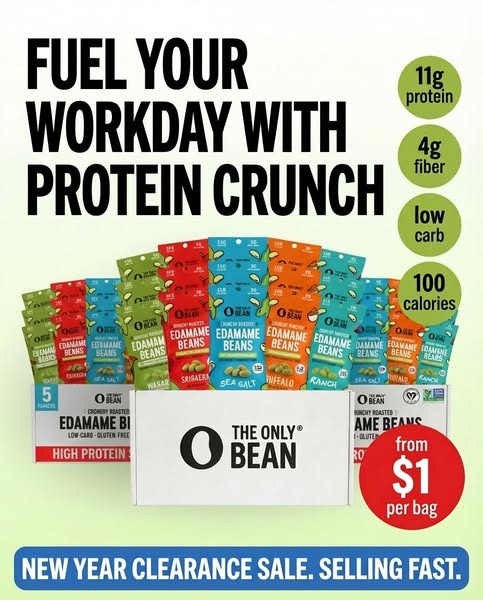
There’s a lot going on in this visual: product stats, headlines, and pricing, all in one frame. It doesn't prioritize aesthetics, but it works, especially in CPG.
While this looks visually chaotic, there is a clear structure underneath that makes it effective (e.g., using different colors to highlight different pieces of copy).
Showing a per-unit or per-bag price in the ad helps pre-qualify traffic and sets up the subscription conversion before someone even lands on the page.
If your site offers more competitive pricing than retail, that's also worth calling out directly in the creative.
Scrappy Selfie with Lots of Copy
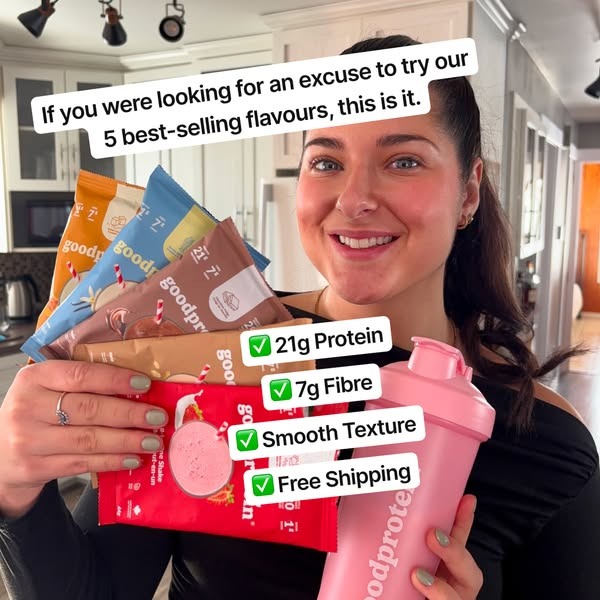
A reliable format for emerging brands because it produces results without requiring a big budget or design experience.
Pairing organic-style copy with a genuine lifestyle image or short-form video is the best way to make it look like content rather than an ad.
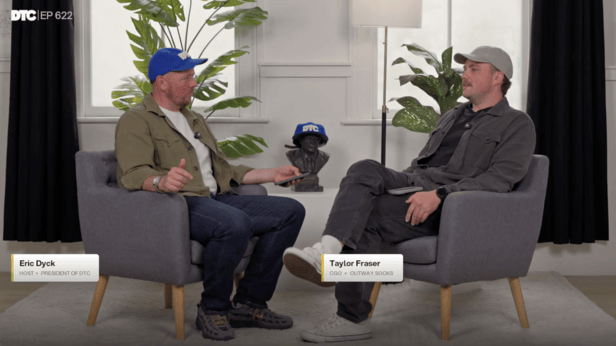
Expansion into the US market often fails when brands treat it as a carbon copy of their home base.
Taylor Fraser, Chief Growth Officer at performance sock brand Outway, joins the pod to break down why they now manage Canada and the US as two entirely separate entities.
He shares the logic behind killing Meta retargeting, the truth about CRO for smaller brands, and how their team structure evolved to support real scale.
▶️ Watch here | 🎧 Listen on Spotify
📈 Bundle sales are growing 20% each quarter on average. Turn that demand into higher AOV through flexible bundle types using Fast Bundle's Shopify app. Check it out here. *
* sponsored
Did you find this valuable? Support us by checking out our businesses:
Please note that items in this newsletter marked with * contain sponsored content.
.svg)


.svg)


.svg)


.svg)
.svg)
.svg)